Katy Yocom, Associate Director, Spalding MFA

Many MFA candidates choose a program based on proximity. But it’s risky to make convenience the deciding factor in your education. Here are seven top elements to look for in a low-residency MFA program:

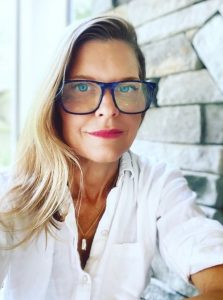
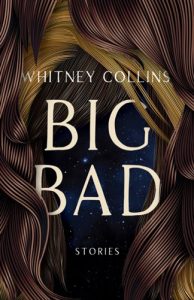
A program that will stretch you as a writer. How many credit hours comprise the degree? how many packets? how many pages per packet? These numbers help reveal what a program will ask of you—and give you in return. Spalding MFA alum Whitney Collins said, “The sheer volume of work we were asked to generate was remarkable, and, yes, a bit intimidating, but you will AMAZE yourself by being able to do it. I graduated with a newfound confidence surrounding my generative abilities.” Since graduating in 2018, Whitney has won a Pushcart Prize and published two short-story collections with Sarabande Books. She now teaches fiction for the Spalding MFA program.
A student-centered program. How flexible is the program? Can you spend a core semester studying a second genre? Are there scheduling options to fit your life? Can you take a leave of absence without penalty? At Spalding, the answers are very, yes, yes, and yes.
A great track record and a promising future. For your MFA degree to retain its value over the years, it should come from a proven, thriving, continuously innovating program with a bright future. The Spalding program is one of the oldest and best-regarded low-residency MFAs and enjoys generous support from its university.
Active faculty. You’ll grow most by working with faculty members who are publishing, producing, and plugged into the industry now. Kathleen Driskell, chair of Spalding’s Naslund-Mann Graduate School of Writing, is Poet Laureate of Kentucky. Spalding’s MFA faculty includes best-selling poet and memoirist Maggie Smith; Salon.com chief content officer Erin Keane; best-selling novelist and former Kentucky Poet Laureate Silas House; children’s lit phenoms Leah Henderson and Lesléa Newman; TV writer and producer Bruce Marshall Romans (Hell on Wheels, Messiah, Spider-Man Noir); Kira Obolensky, recently profiled in the American Theatre podcast The Subtext; and many others actively creating while providing dedicated, relevant instruction to students.


Alumni successes. An established program should have recent alumni successes. Spalding congratulates MFA alums Holly Gleason, who debuted at #1 on two New York Times best-seller lists with Heart Life Music, co-written with Kenny Chesney; Colleen Alles, whose Close to a Flame: Stories appeared in LitHub’s 100 Notable Small Press Books 2025; Ashley Cook, who won a 2024 Daytime Emmy for TV writing; Jennine “Doc” Krueger and Ann Eskridge, who took part in Theatre NOW New York’s musical theatre lab; Mike Fitzer, whose “Nub City” won a semifinalist laurel in the Cannes Indie Shorts film festival; Colleen Harris, who published a full-length poetry collection and signed contracts for two more in 2025; and Rabiah York, who recently released her ninth picture book.

A robust alumni community. Read about Spalding’s in the AWP Writer’s Notebook.
Ongoing support from faculty and administration. Writing is a lifetime undertaking, and you want your MFA program’s support for the long haul. Alum Lauren Budrow wrote, “Out of my four degrees, it’s my MFA from Spalding that I feel the most connected to, where I could actually reach out to fellow alums as resources, and feel comfortable enough to reach back to faculty for advice or assistance. Those friendships and connections exist because the core bond with the program is so solid.”




 Phew, August has found