At the NewPages Blog readers and writers can catch up with their favorite literary and alternative magazines, independent and university presses, creative writing programs, and writing and literary events. Find new books, new issue announcements, contest winners, and so much more!
If you’re the kind of reader who enjoys snuggling up with fantastical stories, Wyngraf is just the ticket! Wanting something “warm and welcoming and a little fantastical,” the editors took the name from wyngrāf, the Anglo-Saxon word meaning “wondrous grove.” True to its name, Wyngraf: A Magazine of Cozy Fantasy provides “a growing genre that focuses on community, personal relationships, and worlds that readers can get lost in.” Publishing twice per year with special editions, Wyngraf is available via paid digital download in wide distribution (Amazon, Apple Books, Kobo, Smashwords, etc.), and in print on Amazon.
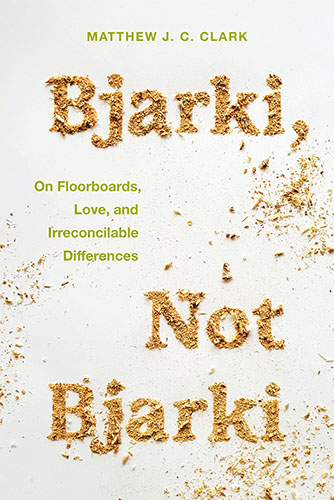
Bjarki, Not Bjarki: On Floorboards, Love, and Irreconcilable Differences by Matthew J. C. Clark University of Iowa Press, January 2024
In Bjarki, Not Bjarki, Clark wants nothing less than to understand everything, to make the world a better place, for you and him to love each other, and to be okay. He desires all of this sincerely, desperately even, and at the same time, he proceeds with a light heart, playfully, with humor and awe. As Clark reports on the people and processes that transform the forest into your floor, he also ruminates on gift cards, crab rangoon, and Jean Claude Van Damme. He considers North American colonization, masculinity, the definition of disgusting, his own uncertain certainty. When the boards beneath our feet are so unstable, always expanding and cupping and contracting, how can we make sense of the world? What does it mean to know another person and to connect with them, especially in an increasingly polarized America?
To discover more great books from small, independent, and university presses, visit the NewPages Guide to Publishers as well as our Books Received monthly roundup. Subscribe to our weekly newsletter to stay up to date!
Brilliant Flash Fiction online quarterly for September 2023 opens with original flash fiction by Pamela Painter, “You Are Like Me,” followed by Sharon A. Pruchnik’s Kafkaesque and delightful “Extinct.” A fabulous Halloween story by Charles Rammelkamp, “Houdini Seance,” is must-read material, as well as Oumaima H’s long-titled story about learning to ride a bike. The September issue is all good, solid flash fiction by talented authors, and visitors to the website can find information about BFF‘s Pop-Up Writing Contest.
Lit Mag Covers: Picks of the Week recognizes cover art and designs for literary magazines, whether in print or online. These are chosen solely at the discretion of the Editor. Enjoy!
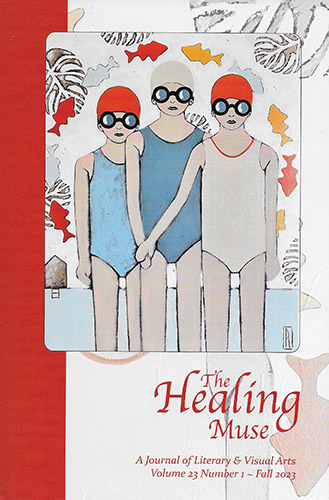
Raoul P. Brosseau’s work, Le Protecteur, blends summer and fall on the newest cover of The Healing Muse: A Journal of Literary & Visual Art (Fall 2023) published by SUNY Upstate Medical University’s Center for Bioethics & Humanities.
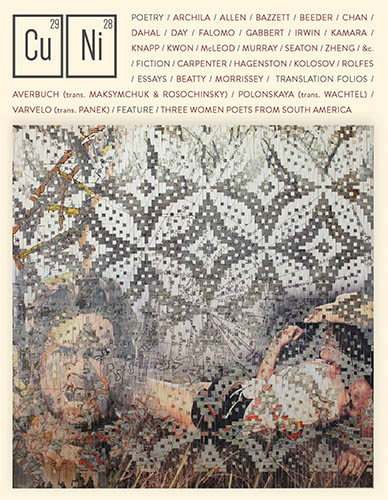
Hailing from the University of Colorado, Denver, the fall 2023 issue of Copper Nickel features a collage of woven inkjet prints on Hahnemuhle bamboo paper, Hahnemuhle rice paper, beeswax, and artist tape entitled Charles, 2022 by Sarah Sense.
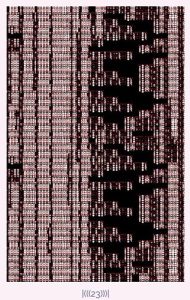
Issue 23 of the online poetry journal petrichor is dedicated to the memory of Catherine Vidler and features the work of experimental writer and visual poet Andrew Brenza on the cover.
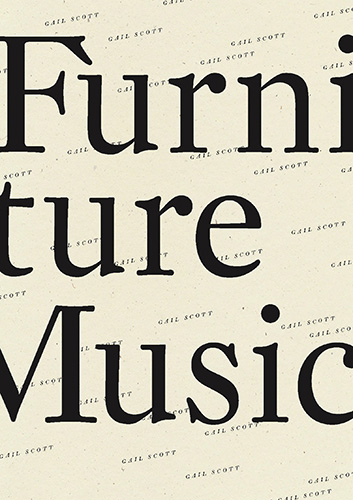
Furniture Music by Gail Scott Wave Books, October 2023
In Furniture Music, Montreal luminary Gail Scott chronicles her years in Lower Manhattan during the Obama era, in a community of poets at the junction between formally radical and political art. Immersing herself in a New York topography that includes St. Mark’s Poetry Project and the Bowery Poetry Club, Scott writes from a ‘Northern’ awareness that is both immediate and inquisitive, from Obama’s election to Occupy Wall Street and Hurricane Sandy. Here, readers are situated in conversations around citizenship, gender performance, class, race, feminism, and what it means to write now. Scott’s project is polyvocal, also resonating with the voices of a host of earlier writers and philosophers, notably, Gertrude Stein, Viktor Shklovsky, Walter Benjamin. The result is a staggering work of insight and hope during a critical time in American politics and art.
To discover more great books from small, independent, and university presses, visit the NewPages Guide to Publishers as well as our Books Received monthly roundup. Subscribe to our weekly newsletter to stay up to date!
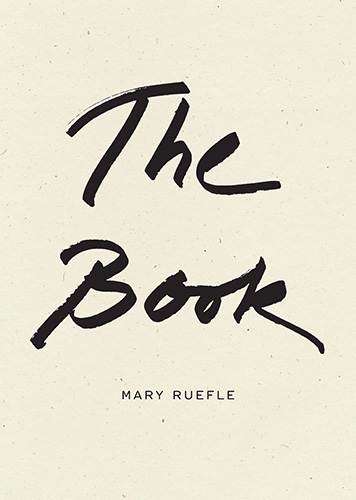
The Book by Mary Ruefle Wave Books, September 2023
Following the acclaimed Dunce, which was a finalist for the Pulitzer Prize, comes Mary Ruefle’s latest prose publication The Book. With the same curiosity found in Madness, Rack, and Honey and My Private Property, Ruefle’s prose here feels both omniscient and especially intimate. “It seems I believe in a bygone world though I no longer live there,” she writes. “Will I continue to read about all that is dusty?” In the spirit of friendship, Ruefle generously invites us to query ourselves as readers and thinkers in a world that will eventually endure without us.
To discover more great books from small, independent, and university presses, visit the NewPages Guide to Publishers as well as our Books Received monthly roundup. Subscribe to our weekly newsletter to stay up to date!
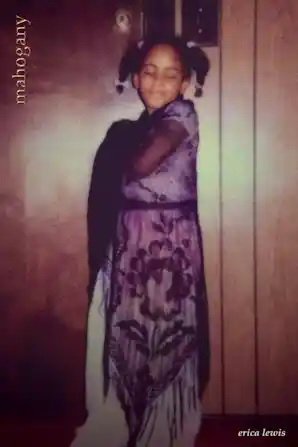
mahogany by Erica Lewis Wesleyan University Press, September 2023
mahogany takes its name from the dark wood prized for its durability, workability, and elegant look, and from the Diana Ross movie, whose theme song asks if what lies ahead is what you really want. This book is the third in a trilogy, and like the first two books, it is steeped in pop music. Each poem here takes its title from a line of a Diana Ross and The Supremes song, as well as songs from Diana Ross’ solo career. Short lines flow down the page like postmodern psalms, connecting dailyness to timelessness, merging the historical and the beloved through reverence for family, music, and the life we actually live. mahogany is a lament for the passing of time and unimaginable loss, and at the same time, it models the daily search for joy and the deep shine that can arise from the darkest times.
To discover more great books from small, independent, and university presses, visit the NewPages Guide to Publishers as well as our Books Received monthly roundup. Subscribe to our weekly newsletter to stay up to date!
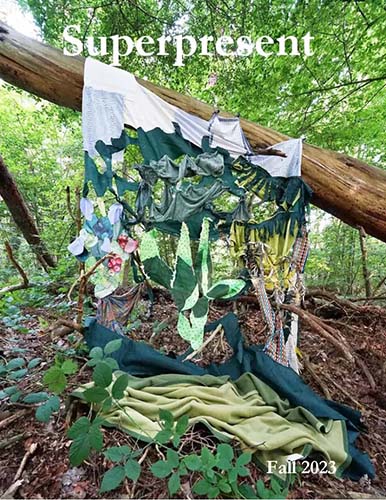
The latest issue of Superpresent (Vol 3 No 4 Fall 2023) is now available. The theme for this, our eleventh issue, was Naturally. The issue features artwork, poetry, prose, asemic writing, and even videos from across the globe.
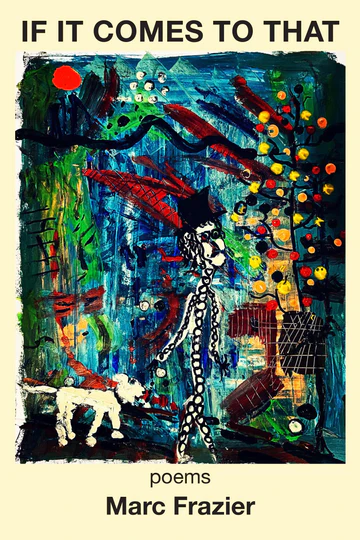
If It Comes to That is a collection that thoughtfully considers the human condition. The poet shares deep reflections on the creative spirit, on the archetypes that encapsulate our behaviors, and on our relationship with the natural world. One can’t help but see the connections that emerge while reading these poems—there are big questions of how we’re connected to the people who inspire us and the ways in which we’re tied to the past. However, these poems are also filled with the people who we touch simply and softly, hand to hand, finding a way through uncertain times. —Aaron Lelito, Founder, Editor-in-Chief, Wild Roof Journal
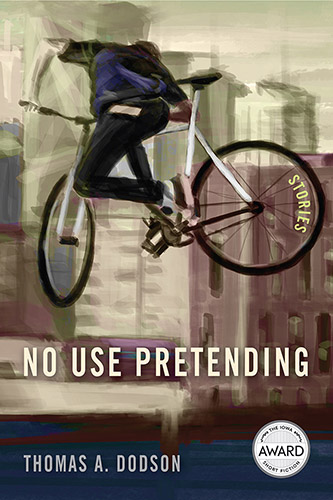
No Use Pretending: Stories by Thomas A. Dodson Iowa Short Fiction Award University of Iowa Press, October 2023
The stories in No Use Pretending by Thomas A. Dodson encompass diverse genres, from ecologically informed realism to a Kafkaesque fairy tale, from fabulist “weird fiction” to an episode from The Odyssey that becomes a meditation on what distinguishes human beings from animals. These stories invite the reader to reconsider moral and ideological certainties, to take a fresh look at such issues as fracking and drone warfare. In one story, a petroleum engineer discovers that one of his wastewater wells may be causing earthquakes, and in another, the pilot of an Air Force drone seeks to reconcile his conflicting roles as protector and executioner, husband and soldier. The scientist and the serviceman are both presented with problems that have no easy or obvious solutions, situations that force them to confront the messy, compromising complexity of being human.
To discover more great books from small, independent, and university presses, visit the NewPages Guide to Publishers as well as our Books Received monthly roundup. Subscribe to our weekly newsletter to stay up to date!
The October issue of The Lake online poetry journal features Sarah Carleton, Lisa Delan, Julian Dobson, Erica Goss, Dianna MacKinnon Henning, Tom Kelly, Karen Luke, Todd Mercer, Liu Nian, J. R. Solonche, Sue Spiers, Thomas Reed Willemain. The Lake also offers reviews of Mike Lala’s The Unreal City, Xiao Yue Shan’s, then telling be the antidote, and Paul Mcdonald’s 60 Poems. “One Poem Reviews,” which offers readers one poem from a newly-released collection, features work by Alan Bern, Gram Joel Davies, J. D. Isip, and Diana Manole.
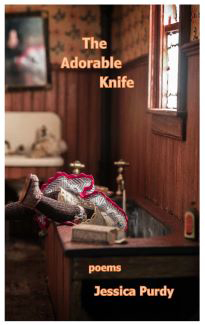
The Adorable Knife: Poems by Jessica Purdy Grey Book Press, August 2023
The Adorable Knife by Jessica Purdy is an intriguing poetry chapbook that explores the miniature crime scene creations of artist Frances Glessner Lee. In Purdy’s own words, “the poems are named after each ‘Nutshell,’ which are meticulously crafted crime scene dioramas meant to help police officers hone their observation skills. It is my intention to honor Frances Glessner Lee’s own attention to detail in crafting these, as well as to imagine possible ‘solutions’ by giving voice to the stories told in the crime scenes. In some of the poems, the speaker is the victim, and in some, the speaker could be the perpetrator. In still others, it is the poet’s voice speaking.” The chapbook, at the onset, quotes Frances Glessner Lee, “The investigator must bear in mind that he has a twofold responsibility—to clear the innocent as well as to expose the guilty. He is seeking only the facts—the Truth in a Nutshell.” (Contributed by Karen Poppy)
To discover more great books from small, independent, and university presses, visit the NewPages Guide to Publishers as well as our Books Received monthly roundup. Subscribe to our weekly newsletter to stay up to date!
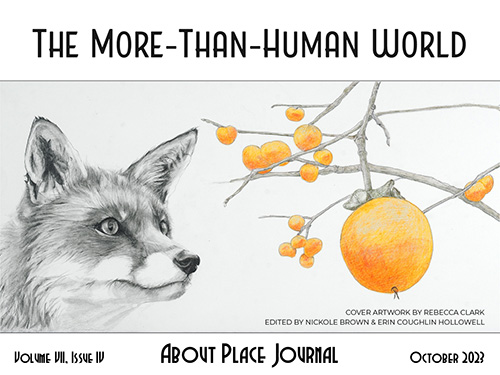
As Robin Wall Kimmerer writes, “Maybe now, in this time when the myth of human exceptionalism has proven illusory, we will listen to intelligences other than our own, to kin. To get there, we may all need a new language to help us honor and be open to the beings who will teach us.” . . . In this issue of About Place, co-editors Nickole Brown and Erin Coughlin Hollowell gather work galvanized by this challenge. The result is an extraordinary chorus of writers and artists, each attempting to decenter our human story to speak not just about plants and animals but for them, bringing awareness to life beyond our human realm. Cover art by Rebecca Clark.
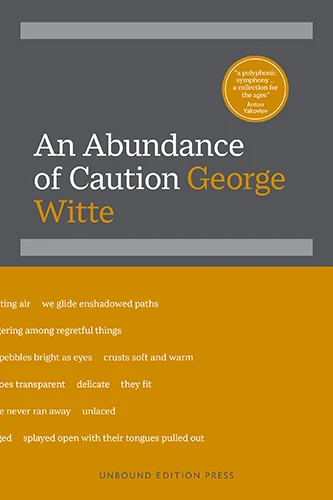
Distinguished by expert attention to image and phrase, line and sentence, rhythm and tone, George Witte’s An Abundance of Caution proves much more than a showcase of virtuoso technique. Witte’s formal skill lends voice and body to the crucial work of finding grace in a time marked by environmental crisis, global pandemic, and personal loss. His poems gain their depth and dimension from attentiveness to the lives of others, the details of the natural world, and the often-bewildering ways we live now. In lines both formal and free, these poems answer uncertainty with clarity, imagination, and compassion.
“The poet’s incredible attention to image, rhythm, and insistence upon the exact right word creates an incantatory sense of era-encapsulating collection of stylish, deftly composed poems.”–Kirkus Reviews
“These elegantly constructed poems about “each livid day” are definitely worth listening to.”–Ron Charles, The Washington Post Book Club Newsletter
“Visionary is what I would call the quality that enables these poems to know realities that exceed comprehension …”–H. L. Hix
“Witte’s poems find their way in, taking up residence in the mind and heart.”–David Yezzi
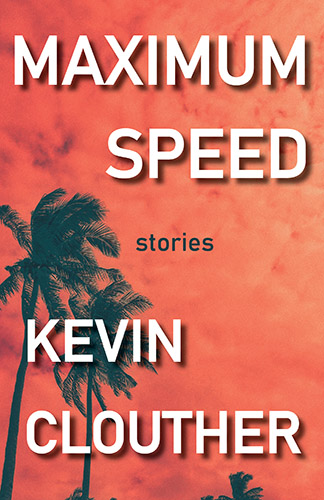
Maximum Speed: Stories by Kevin Clouther Cornerstone Press, November 2023
Like Jennifer Egan’s A Visit from the Goon Squad and Muriel Spark’s The Prime of Miss Jean Brodie, Kevin Clouther’s Maximum Speed moves across time and point of view to dramatize youth’s aftershocks. The unifying presence in the lives of three characters is Billy, an apprentice drug dealer in South Florida. His improbable appearance twenty years after his death reconnects Nick, Andrea, and Jim with each other and with the shared secret of their past.
To discover more great books from small, independent, and university presses, visit the NewPages Guide to Publishers as well as our Books Received monthly roundup. Subscribe to our weekly newsletter to stay up to date!
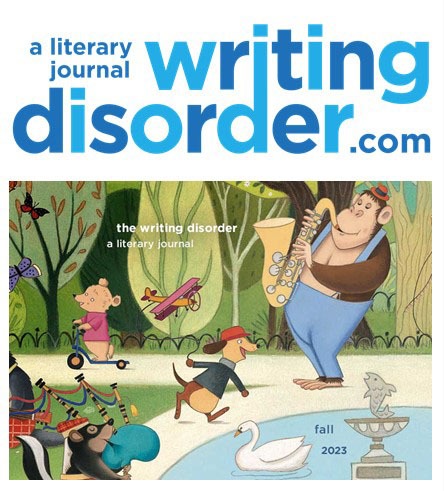
The Fall 2023 issue of The Writing Disorder online literary journal remains true to its roots in publishing works that highlight the classic art of storytelling. This issue features fiction by Jessie Atkin, Tessa Case, Courtney Chatellier, R.A. Clarke, Ben Coppin, Jessica Hwang, Mary Means, Raymond Walker; poetry by Wayne-Daniel Berard, Elizabeth Crowell, James Iovino, Cynthia Pratt, CLS Sandoval, J.R. Solonche, Scott Waller; nonfiction by Deb DeBates, Maza Guzmán, Liza Martin, Chetan Sankar, and the magical work of Italian artist Delia Ciccarelli.
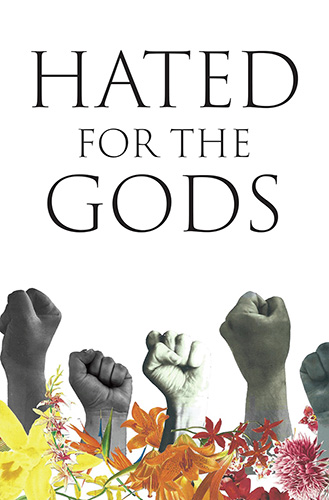
Hated for the Gods by Sean Patrick Mulroy Button Poetry, October 2023
Plaintive and joyous, sexy and ferocious—often all at once—Hated for the Gods is as much a call to action as it is a work of literature. Gorgeously rendered and skillfully constructed both to educate and inspire, Sean Patrick Mulroy’s poetry weaves together stories from his coming of age in the American South of the 1990s with the broader history of gay men in America. The result is a politically radical text that will leave you shocked with all you didn’t know about the history of queer people, and surprised by what you already knew but never could articulate. Winner of the 2020 Button Poetry Prize.
To discover more great books from small, independent, and university presses, visit the NewPages Guide to Publishers as well as our Books Received monthly roundup. Subscribe to our weekly newsletter to stay up to date!
The Glass Fire in Napa Valley, 2020 seems to have been a turning point for the extremely prolific poet, editor, novelist, and activist writer Eileen R. Tabios. She and her husband experienced the fire and subsequent evacuation, which was successful, except that part of her life’s work was lost. She lost whole archive entries; material that belonged inside protected library buildings in official archives and not in an outbuilding that burned. This book makes real the fact that Tabios felt strongly compelled, passionate, and driven to collect some of her rescued writings and preserve them in book form. She tackles this project with love of what she finds among the remains of her work and is saying that love is the war she is raging against loss. While published archives can be boring to read because we don’t have the original pamphlet, magazine, or lecture to enjoy, Tabios’ inventive poems are delightful. More than half of the book is a compilation of “Uncollected Poetics Prose” that expand the meaning of archive, leading readers to dream along within them. What is so magical about this collection is that we are not left hanging and lost in the dense material of this ambitious project; we are shown abundance and astounding imagination in what remains. This project is love.
Because I love you, I become war: Poems & Uncollected Poetics Prose by Eileen R. Tabios. Marsh Hawk Press, May 2023.
Reviewer bio: Susan Kay Anderson is a National Poetry Series finalist, Jovanovich Prize winner, and former Ragdale resident who lives in southwestern Oregon’s Umpqua River Basin. Her long poem “Man’s West Once” was selected for Barrow Street Journal’s “4 X 2 Project” and is included in her book of poems, Mezzanine (2019). Anderson also published Virginia Brautigan Aste’s memoir, Please Plant This Book Coast To Coast (2021). https://www.pw.org/directory/writers/susan_kay_anderson
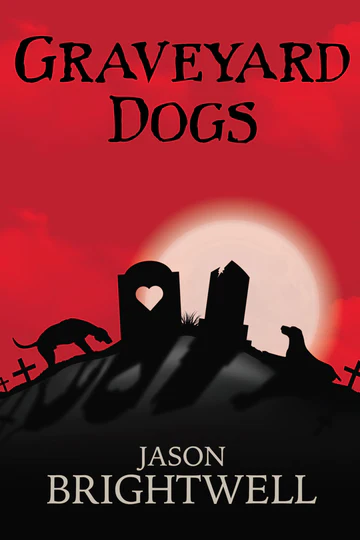
Graveyard Dogs is a graceful descent into the dimension of loss and grief. We witness life reduced to dirt and gravestones. We see love pushed into the shadows with nowhere to go. Jason Brightwell is a masterful shepherd whose poems guide us through the many facets of death. There is beauty and elegance in mourning and on every page in this book. He shows us that life prevails through tar, rust, and blood. We remain—the ones that are left behind—still of stars and still of purpose.
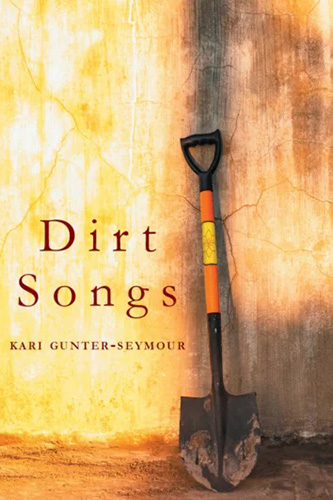
Dirt Songs by Kari Gunter-Seymour EastOver Press, February 2024
Ohio Poet Laureate Kari Gunter-Seymour’s poems in Dirt Songs are full-throated, raw, deceptively simple, and rippling with candor, providing readers an insider’s lens into the larger questions surrounding the many aspects of Appalachian culture, including identity, the impact of poverty, generational afflictions, and the brunt of mainstream America’s skewed regard for the region. Throughout the book there is an overarching determination to endure, to be the last truth teller left standing, arm raised in solidarity with the land and its people. Dirt Songs does what journalists and mainstream media have failed to do: provide a uniquely intimate look at landscape and family generated from within Appalachia, recognizing that one story cannot accurately represent a region or its people.
To discover more great books from small, independent, and university presses, visit the NewPages Guide to Publishers as well as our Books Received monthly roundup. Subscribe to our weekly newsletter to stay up to date!
Winona Heeley spent the last year of recovery from eating disorders in rural Japan, at Michikusa House, alongside one other full-time resident: Jun Nakashima. Like Winona, Jun was a recovering addict and college dropout. While they bonded over rituals of growing their own food and preparing meals, they changed each other’s lives by reconstructing long-held beliefs about shame, identity, and renewal.
But after Winona returns to her Midwest hometown, Jun vanishes.
Two years pass and Winona, seeking revival through gardening, accepts a job as a groundskeeper at a local cemetery…and begins searching for Jun Nakashima once more.
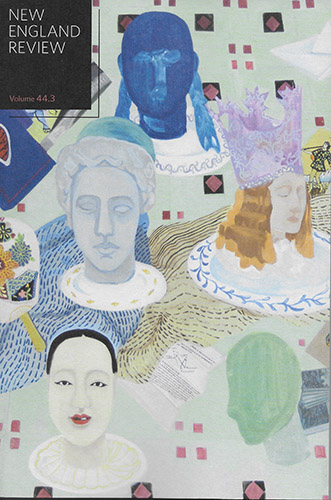
The newest issue of New England Review (44.3) features prose by Samuel Kolawole, Adrie Kusserow, David Moats, and Alice Sparberg Alexiou, poetry by Esther Lin, Brian Blanchfield, John James, Laura Newbern, and Cortney Lamar Charleston, a play by Caridad Svich, translations from the Hungarian, Ukrainian, and Chinese, a novella by Lori Ostlund, artwork by Jing Qin, and much more.
Kaleidoscope: Exploring the Experience of Disability through Literature and the Fine Arts has launched a podcast to lift the words from its pages and present them in a new and meaningful way. In issue 86 episode 4, host Nick deCourville takes the audience on a journey toward discovering unexpected truths. This episode includes a reading of an excerpt from “Rehabbing” by Sharon Hart Addy. This story involves a couple who decides to buy an old farmhouse that is in need of renovations, only to find they are about to go on an unexpected journey of self-discovery and healing. Additional readings include works from authors Carol Zapata-Whelan, Hudson Plumb, Chelsea Brown, Robin Knight, Daylyn Carrigan, Hudson Plumb, Conny Borgelioen, Fay L. Loomis, Kristen Reid, Jess Pulver, Fionn Pulsifer, Courtney B. Cook, Hannah Sward, and Stephanie Harper. Give the episode a listen and see what truths are uncovered.
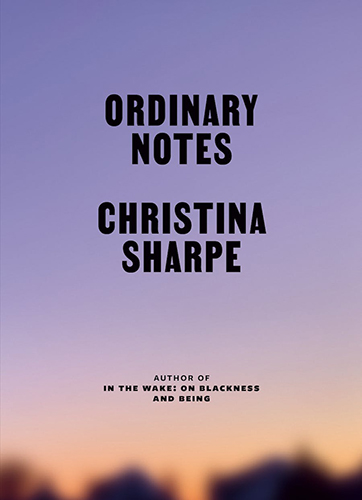
Christina Sharpe has written an incisive and insightful book about what it means to be Black in America today. Though the 248 notes that make up the book are brief, they dig deeply into the realities of white supremacy as a central tenant of American culture. Sharpe draws on a wide variety of contemporary and historical writers, artists, and thinkers, ranging from some most readers would be familiar with—such as Toni Morrison and Frederick Douglass—to a number who will be new to those same readers. Her 248 notes include 208 footnotes, in fact, as she steps into the long and deep river of Black thought and art. Sharpe structures her book around the various meanings of the word note, whether as a verb meaning to notice or a noun in the musical sense. She’s interested in definitions and words in general, as one of the longest sections of the book is what she refers to as “preliminary entries toward a dictionary of untranslatable blackness.” Given her investment in the tradition of Black thought, she calls on other thinkers to help her provide definitions for “unbuilding,” “spectacle,” “property,” and a number of other terms. All of her notes—like a piece of music—combine to create a composition that is more than its individual parts, one that celebrates Black culture and history, while reminding readers of the White supremacist reality that Black tradition has been and currently is being forged within and against.
Ordinary Notes by Christina Sharpe. Farrar, Straus and Giroux, 2023.
Reviewer bio: Kevin Brown has published three books of poetry: Liturgical Calendar: Poems (Wipf and Stock); A Lexicon of Lost Words (winner of the Violet Reed Haas Prize for Poetry, Snake Nation Press); and Exit Lines (Plain View Press). He also has a memoir, Another Way: Finding Faith, Then Finding It Again, and a book of scholarship, They Love to Tell the Stories: Five Contemporary Novelists Take on the Gospels. Twitter @kevinbrownwrite or kevinbrownwrites.weebly.com/.
“It’s the Journey, Not the Destination” is the theme of Still Point Arts Quarterly Fall 2023, featuring art and photography, fiction and non-fiction, and poetry. Widely praised for its rich and valuable content and splendid presentation, Still Point Arts Quarterly is intended for artists, writers, nature lovers, seekers, and enthusiasts of all types. Visit their website to download and read the full issue online as well as for information on how to order beautiful, full-color print copies.
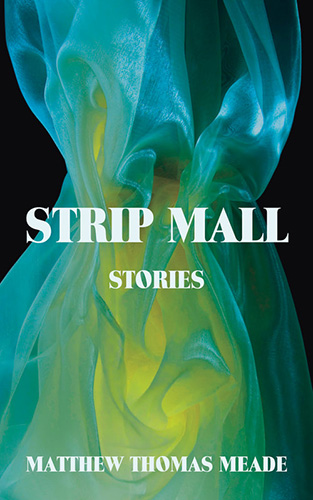
Strip Mall: Stories by Matthew Thomas Meade Tailwinds Press, November 2024
Matthew Thomas Meade’s stories in Strip Mall are about a surreal future as much as they are about our absurd present. A young lawyer moonlights as an ersatz psychic; a woman struggles with the caregiver burden caused by her boyfriend’s satanic possession; a suburban mother reckons with Kafka’s The Metamorphosis in mass-casualty form. Meade’s craft in this debut collection dissipates with shockingly deadpan ease into sensitive accounts of ordinary human relationships and resilience. With its heartfelt portraits of a magical world where late-stage capitalism has blurred the boundaries between the living and the dead, Strip Mall presents a strangely grace-filled vision of the dystopia already upon us.
To discover more great books from small, independent, and university presses, visit the NewPages Guide to Publishers as well as the New Books category on our blog. Subscribe to our weekly newsletter to stay up to date!
We receive many wonderful book titles each month to share with our readers. Visit New Books Received to discover new authors as well as new works by your favorites. This page is updated monthly, but subscribers to our newsletter have these featured titles and more of ‘what’s new’ at NewPages.com delivered weekly. For publishers or authors looking to be featured on our blog and social media, please visit our FAQ page.
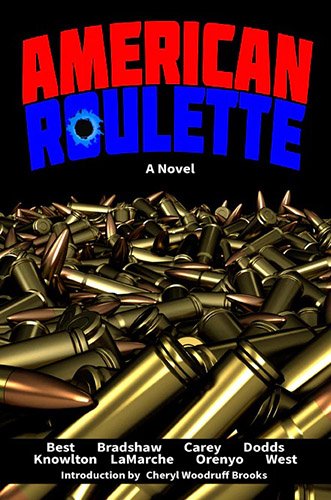
Like a page ripped from the headlines, the Sunbury Press release of American Roulette takes readers inside a mall where a mass shooting has taken place. It’s a grisly and up-close look at a wholly preventable, if common, occurrence.
The novel was written by eight authors, each of whom introduces readers to someone caught in the rampage. Two of the characters, Will Humphreys and Roger Elliot, are young, disgruntled white men who are eager to retaliate for years of familial and schoolhouse bullying, and provide a window into the minds of people driven to the edge and then given access to assault weapons.
Other characters include a minister struggling with medical debt; a young woman battling a depressive disorder; an elderly gun aficionado; a homeless mall security guard who has been living in her car; a local television personality; and a man hired by the mall’s owners to do damage control.
Two of the authors, Rev. Matthew Best and Pat LaMarche, spoke with Eleanor J. Bader in advance of the book’s October release:
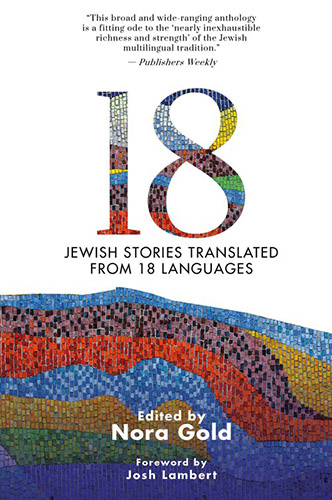
18: Jewish Stories Translated from 18 Languages edited by Nora Gold Academic Studies Press, October 2023
This anthology offers readers the first collection of translated multilingual Jewish fiction in twenty-five years: a collection of eighteen stories, each translated into English from a different language: Albanian, Croatian, Czech, Danish, French, German, Greek, Hebrew, Hungarian, Italian, Ladino, Polish, Portuguese, Romanian, Russian, Spanish, Turkish, and Yiddish. These compelling, humorous, and moving stories, written by eminent authors, reflect both the diversities and the commonalities within Jewish culture and are easily accessible and enjoyable not only for Jewish readers but for story-lovers of all backgrounds.
Authors in the order they appear in the book: Elie Wiesel, Varda Fiszbein, S. Y. Agnon, Gábor T. Szántó, Jasminka Domaš, Augusto Segre, Lili Berger, Peter Sichrovsky, Maciej Płaza, Entela Kasi, Norman Manea, Luize Valente, Eliya Karmona, Birte Kont, Michel Fais, Irena Dousková, Mario Levi, and Isaac Babel.
The title of Zadie Smith’s latest novel is misleading, as there is no singular fraud in this novel; instead, everybody seems to be a fraud. Smith bases her novel on the historical account of the “Tichborne Trial,” in which a man claims to be Sir Roger Tichborne, a claim that is so absurd to be laughable, given the evidence. However, people—primarily those of the lower- and growing middle-class—firmly support him, even when they know the claim is baseless. They attend his trial and rallies in support of him, denying any reality he or his trial calls into question. If readers are wondering if there are contemporary echoes, Smith sets them to rest with a song that serves as the epigraph for Volume Eight (her structure mirrors the Victorian novels she is channeling), in which each stanza ends with the word trump. While the trial is the underpinning of the novel, Smith largely follows Eliza Touchet, the housekeeper for William Ainsworth, a novelist who once outsold Dickens, but who is now largely forgotten. Eliza attends their literary gatherings, but even though she sees through the literary elite, she has no standing to critique, given the role of women in the 1800s. When she meets Andrew Bogle, a formerly enslaved Jamaican who serves as the faux Tichborne’s one consistent witness, she asks to hear his life story, wanting to understand a broader view of Britain and humanity. She ultimately has a moral choice to make to try to stay true to her beliefs, to avoid being a fraud herself, and she develops a different kind of voice by the end of the novel. While Smith spends much of the novel showing characters who doubt the very idea of a shared reality, she reminds readers that fiction can still convey truth, even when it rewrites history to do so.
The Fraud by Zadie Smith. Penguin, 2023.
Reviewer bio: Kevin Brown has published three books of poetry: Liturgical Calendar: Poems (Wipf and Stock); A Lexicon of Lost Words (winner of the Violet Reed Haas Prize for Poetry, Snake Nation Press); and Exit Lines (Plain View Press). He also has a memoir, Another Way: Finding Faith, Then Finding It Again, and a book of scholarship, They Love to Tell the Stories: Five Contemporary Novelists Take on the Gospels. Twitter @kevinbrownwrite or kevinbrownwrites.weebly.com/.
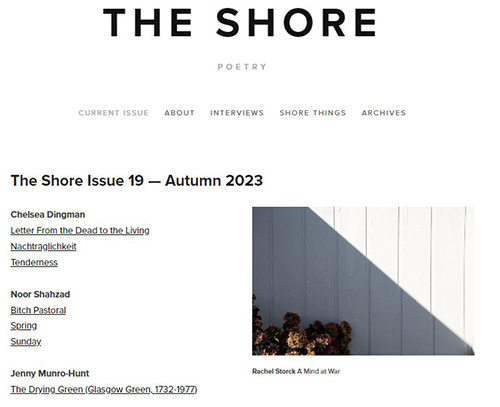
The Shore online poetry journal Issue 19 drops a little before the leaves with a longing for shadows and solace. These poems lace their lines across distance to celebrate the shortening days. This issue features new poems by Chelsea Dingman, Noor Shahzad, Jenny Munro-Hunt, MM Porter, Marisa Lainson, Catherine Weiss, Jennifer K Sweeney, Emily Patterson, Melody Wilson, Mary C Sims, Vanessa Ogle, Ruth Williams, Jill Klein, Lila Waterfield, Terin Weinberg, Heather Truett, Bill Hollands, Derek JG Williams, Tiffany Aurelia, Alejandra Cabezas, Conan Tan, Lizzie Hutton, Sam Moe, Elinor Ann Walker, Alyse Knorr, Todd Campbell, Mckendy Fils-Aimé, Jennifer Bullis, SE Street, Eric Steineger, Melanie Branton, Michael Lauchlan, Jared Povanda, Maggie Rue Hess, Jack B Bedell, Donald Pasmore and Ann Weil. It also features haunting art by Rachel Storck.
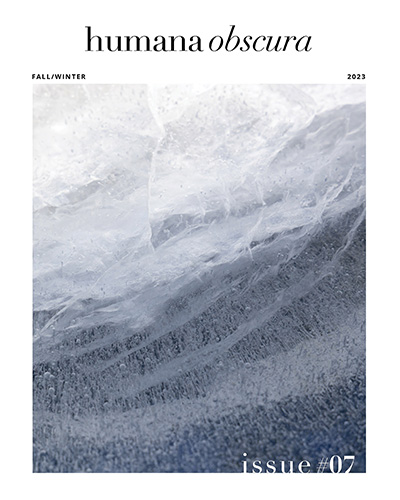
Independent nature-focused literary magazine Humana Obscura’s Fall/Winter 2023 issue features work by 53 new, emerging, and established contributors from around the globe. Contributors include Amy Aiken, Bryan Stewart, Debbie Strange, Mary Catherine Creel, Vian Borchert, Marjorie Hanft, Joyce Meyers, Harry Bauld, Denise Miller, Sarah Garland, petro c. k., Jocelyn Velush, Rose-Marie Keller-Flaig, Janna Knittel, Lucy Flood, Chris Powici, Megan Muthupandiyan, Kerri Bowen, Lissa Watson, Adele Webster, Kimberly Phinney, Rachel Jeffcoat, Maureen Bennett, Rebecca Lacey, Tak Erzinger, Nicholas Olah, Tim Dwyer, Audrey Colasanti, Shane Coppage, Sarah Das Gupta, Kerry McPherson, Anna Freyne, Dustin Marley Hackfeld, Talitha May, Melissa Laussmann, José A. Alcántara, Patricia Rockwood, Jodi Balas, Kerstin Schulz, Ann Howells, Sally Anderson Boström, Jerome Berglund, Joshua St. Claire, Luke Levi, Kimber Devaney, Deron Eckert, Wally Swist, Vanessa Pejovic, Harold Sneide, Jennifer Browne, and Jennifer Steensma Hoag.
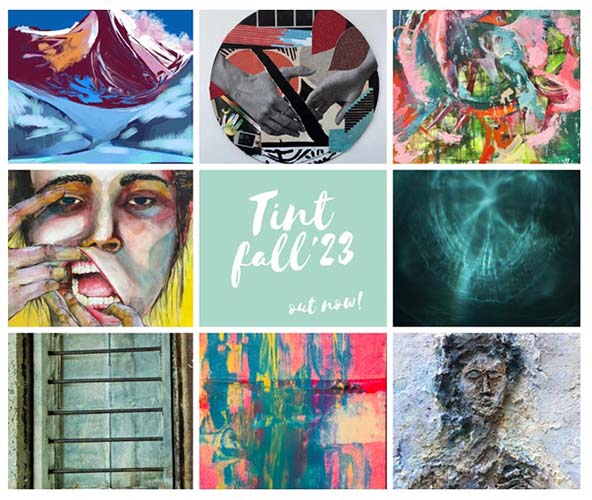
Tint Journal‘s editors Lisa Schantl, John Salimbene, Matthew Monroy, and Andrea Färber selected 25 texts (from more than 300 submissions) for this 10th issue. This time, the authors’ geographical backgrounds range from Namibia to Belgium, and from India to Mexico, with most texts dealing with an individual’s position on this planet, considering the peculiarities of culture, geography, food, history, and the overall circle of life. Each text contribution is published with a visual artwork by international artists (curated by Vanesa Erjavec) and a short interview with the author. Many of the texts can also be heard as audio clips, read by the writers themselves. All content from this and past issues can be read free of charge.
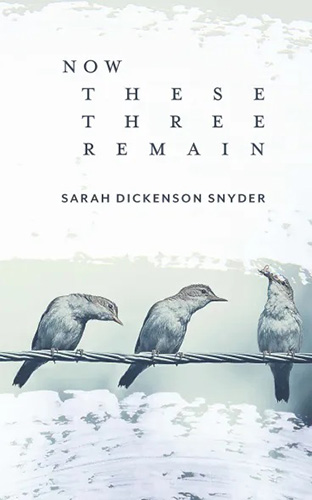
Sarah Dickenson Snyder’s latest collection, Now These Three Remain, strikes the delicate balance of faith and doubt. Like the master carver in “Industry,” Dickenson Snyder ponders,
Maybe I am practicing for some god’s commandments with chisel and mallet I tap across the smooth surface of slate to unveil letters, carve words I can touch.
Sarah Dickenson Snyder uses the slash like a chisel in her three sections, “Un/Faith,” “Un/Hope,” “Un/Love.” This gives these Biblical words facets, as if carved in stone. The poems exist in these oppositions, these dimensions.
In “Ginger Roots,” the speaker tells us, “Most good things grow in darkness— / seeds, roots, a fetus.” The speaker’s conflict is, at times, rooted in trauma and healing. Coming from a place of religious doubt, the collection is also an account of sexual assault and sexual autonomy. The speaker remembers her assault, “not-breathing, those seconds / falling inside me like a rock in a pond.” In “Without Regret,” the older speaker, “chose my life over what was beginning / to grow.”
Sarah Dickenson Snyder’s whisper “Heal us, heal us,” resonates throughout Now These Three Remain, where “we all just want to make something / close to sacred while we’re here.”
Now These Three Remain by Sarah Dickenson Snyder. Lily Poetry Review Books, April 2023.
Reviewer Bio: Jennifer Martelli is the author of The Queen of Queens and My Tarantella, both named “Must Reads” by the Massachusetts Center for the Book. Her work has appeared in Poetry, Poem-a-Day, and elsewhere. Martelli has received grants from the Massachusetts Cultural Council. She is co-poetry editor for MER. www.jennmartelli.com
The newest issue of Jewish Fiction .net just came out – a brilliant, 8-language issue, where, for the first time, more than two-thirds of the stories in it are translations. In Issue 34, you’ll find 11 terrific stories originally written in Polish, Russian, Ladino, French, Hebrew, Yiddish, English, and for the first time… (drum roll)… Dutch! This brings to 20 the number of languages from which Jewish Fiction .net has published translations. And speaking of translations, only one more month till our book of stories from Jewish Fiction .net comes out! 18: Jewish Stories Translated From 18 Languages is the first book of its kind in 25 years, and it has already received glowing advance reviews from Publishers Weekly, Cynthia Ozick, Dara Horn, Josh Henkin, and others. You can pre-order your copy here.
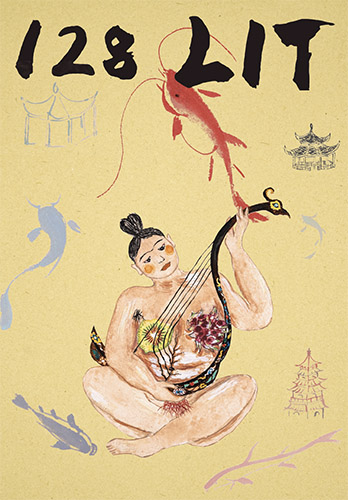
128 LIT is a new publication offering open access to literature, art, audio, and video content posted online on a rolling basis as well as offering readers an annual print and digital download issue. Started by New York-based writer Andrew Felsher and Yehui Zhao, a multi-media artist, 128 LIT’s origin is numerical and “is intended to be liberated from the confines of language. When we decided to launch an international literature and art magazine,” Felsher says, “we were mindful of the history, memory, and violence embedded in language(s) and all that comes with the burden of language and the way art and narratives locate and shape us.”
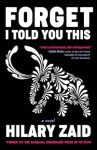
Forget I Told You This: A Novel by Hilary Zaid University of Nebraska Press, September 2023
Forget I Told You This by Hilary Zaid is the winner of the Barbara DiBernard Prize in Fiction in which Amy Black, a queer single mother and an aspiring artist in love with calligraphy, dreams of a coveted artist’s residency at the world’s largest social media company, Q. One ink-black October night, when the power is out in the hills of Oakland, California, a stranger asks Amy to transcribe a love letter for him. When the stranger suddenly disappears, Amy’s search for the letter’s recipient leads her straight to Q and the most beautiful illuminated manuscript she has ever seen, the Codex Argentus, hidden away in Q’s Library of Books That Don’t Exist—and to a group of data privacy vigilantes who want her to burn Q to the ground.
To discover more great books from small, independent, and university presses, visit the NewPages Guide to Publishers as well as the New Books category on our blog. Subscribe to our weekly newsletter to stay up to date!
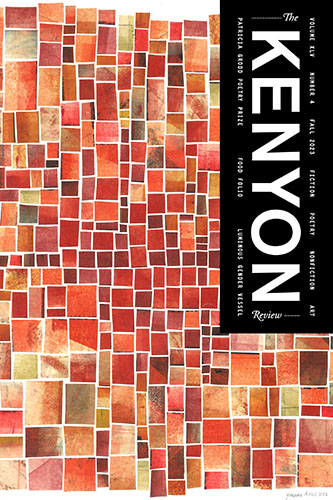
The Fall 2023 issue of The Kenyon Review includes the winner and runners-up for the Patricia Grodd Poetry Prize for Young Writers, selected by Ruth Awad, and a Food-themed folio, with poetry by sam sax, Inga Lea Schmidt, and Holy Zhou; fiction by Rebecca Ackermann, Elvis Bego, and Douglas Silver; nonfiction by Katie Culligan and Erica N. Cardwell; and much more. Luminous Gender Vessel, a folio guest-edited by Gabrielle Calvocoressi and Melissa Faliveno, features work by Krys Malcolm Belc, KB Brookins, Alexis Pauline Gumbs, Catherine Kim, and many others. The cover art is by Joanna Anos.
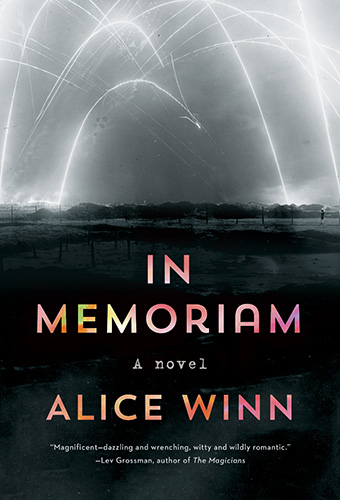
Alice Winn’s debut novel follows two British teenagers—Henry Gaunt and Sidney Ellwood—during their time at an elite boarding school and into their time as soldiers during World War I. Their time at school sounds idyllic, but there are conflicts that come from Ellwood’s openness about his sexuality. It quickly becomes clear that Gaunt is also gay, but he is unwilling to admit that to himself or to others, and he is in love with Ellwood. The war significantly changes them both and forces them to confront their love, but also reminds them of the reality of the world they live in. Winn clearly conveys the horrors of the war and the loss of almost an entire generation of men, both through Gaunt and Ellwood’s experiences, but also through those of their classmates and Gaunt’s sister, Maud. She is part of a generation of young women whom adults encourage to go to the colonies, given how few men are left for them to marry. Winn creates a world where the war devastates all, leaving a world full of broken people who will have to spend the rest of their lives putting that world and their lives back together. Building their lives back is even more complicated for those on the margins, given society’s lack of acceptance of who they are. Winn reminds readers that so many did, in fact, sacrifice so much for the peace that followed, but some had to sacrifice even more.
In Memoriam by Alice Winn. Alfred A. Knopf, March 2023.
Reviewer bio: Kevin Brown has published three books of poetry: Liturgical Calendar: Poems (Wipf and Stock); A Lexicon of Lost Words (winner of the Violet Reed Haas Prize for Poetry, Snake Nation Press); and Exit Lines (Plain View Press). He also has a memoir, Another Way: Finding Faith, Then Finding It Again, and a book of scholarship, They Love to Tell the Stories: Five Contemporary Novelists Take on the Gospels. Twitter @kevinbrownwrite or kevinbrownwrites.weebly.com/.
Lit Mag Covers: Picks of the Week recognizes cover art and designs for literary magazines, whether in print or online. These are chosen solely at the discretion of the Editor. Enjoy!
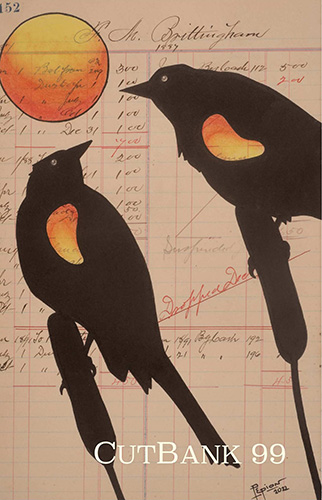
Celebrating fifty years of publication this year, the newest issue of CutBank Literary Magazine (99) is their “First Ever Indigenous Writers’ Issue,” and features Red-Winged Blackbird Council by John Pepion on the cover.
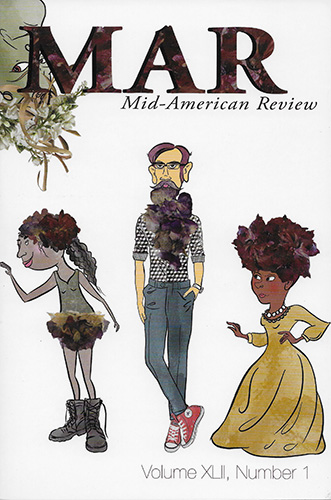
Dawn Zinz’s work on the cover of Mid-American Review (42.1) is just so danged adorable with its mixture of digital collage using dried and pressed flowers – with more characters on the back that can’t help but make readers smile.
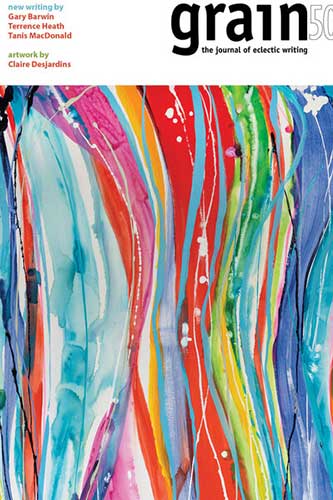
It’s wonderful to see another literary magazine reach its 50th year of publication, and to celebrate, the colorful work of artist Claire Desjardins greets readers on the cover of this special 2023 issue of Grain Magazine.
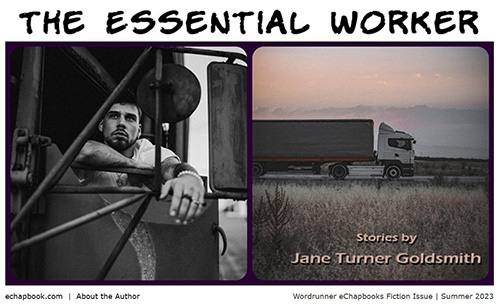
The Essential Worker by Australian author Jane Turner Goldsmith is the newest Wordrunner eChapbooks in which an excerpt of seven linked stories from a composite novel in progress recall that eerie and uncertain time, the onset of the Coronavirus pandemic, when no one really knew what was happening on our planet. Compelling and still timely, these short stories from down under are told in the voices of workers who kept Australians fed, well, and alive in Autumn 2020: supermarket workers, bicycle food couriers, and truck drivers, as well as overworked teachers and health care providers. By turns frightening, hilarious, and tender, each essential worker’s story is one of a survivor with a distinctive voice. This issue can be read online along with all the previous Wordrunner eChapbooks publications: 26 fiction, 5 CNF/memoir, and 5 poetry collections, each featuring one author — and 13 anthologies by multiple authors.
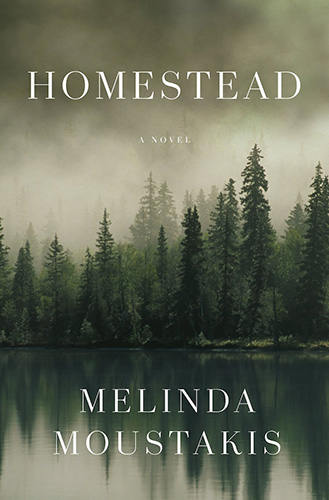
In this debut novel, Melinda Moustakis creates a couple who agree to marry each other a day after they first meet, based mainly on Lawrence’s claim to 150 acres. He and Marie have reasons for wanting land, a home, and a family, though she is more forthcoming about those reasons. On the one hand, then, this novel explores the challenges of clearing land and building a house in Alaska in the 1950s. It touches on the development of Alaska as a state and the land the federal government took away from the indigenous tribes who lived there for centuries. Moustakis, though, is more concerned about what it means to make a life with another person, as opposed to in a particular place; the isolation of the homestead simply heightens the conflicts Lawrence and Marie have. The idea of statehood echoes the trades one must make in a relationship, as some people oppose statehood because of the taxes the federal government will impose in exchange for services and the right to vote, while the takeover of native lands shows what happens when a relationship is one-sided. There are threats hanging over Marie and Lawrence’s relationship throughout the novel, whether that’s a grizzly bear attack or the secrets Lawrence keeps, leaving the reader wondering if what they have built can survive in the wild.
Homestead by Melinda Moustakis. Flatiron Books, February 2023.
Reviewer bio: Kevin Brown has published three books of poetry: Liturgical Calendar: Poems (Wipf and Stock); A Lexicon of Lost Words (winner of the Violet Reed Haas Prize for Poetry, Snake Nation Press); and Exit Lines (Plain View Press). He also has a memoir, Another Way: Finding Faith, Then Finding It Again, and a book of scholarship, They Love to Tell the Stories: Five Contemporary Novelists Take on the Gospels. Twitter @kevinbrownwrite or kevinbrownwrites.weebly.com/.
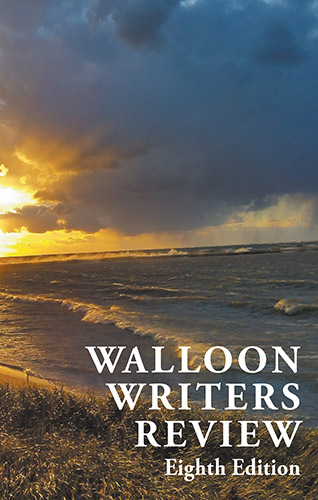
Walloon Writers Review 2023 Eighth Edition is a collection of poetry, short stories and nature photography celebrating the unique experiences, adventure and natural beauty of northern Michigan and the Upper Peninsula. This edition offers a theme of “Exploration” and includes both well known and awarded talent alongside those emerging in writing and nature photography. This 196 page edition is available at independent booksellers and online at Bookshop.org, BarnesandNoble.com, and Amazon.com.
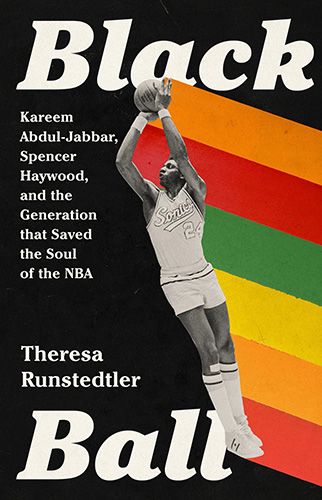
Theresa Runstedtler digs deep into the NBA of the 1970s to show how a group of African American basketball players brought a new style of play to the sport, honed on playgrounds rather than high school and college gyms, where white players trained. More importantly, though, she shows how these same athletes stood up to the white owners and coaches, bringing lawsuits against them when necessary, to carve out more freedom and agency for the players. Those owners had almost full control of players in the 1960s, dictating who could play for which team when and limiting player salaries and the almost non-existent benefits. One player after another, though, began to push back against that control, winning one court battle after another, while also bringing a different style of play to the courts. Near the end of the book, Runstedtler shows how these changes reinvented the NBA and led to the strong performances of the 1990s and early 2000s, but also to the more politically outspoken players of more recent years. Runstedtler brings her experience as a Toronto Raptors dancer and scholar and professor of African American history to create a readable, insightful look at an important decade of development in Black activism and labor history.
Black Ball: Kareem Abdul-Jabbar, Spencer Haywood, and the Generation That Saved the Soul of the NBA by Theresa Runstedtler. Bold Type Books, March 2023.
Reviewer bio: Kevin Brown has published three books of poetry: Liturgical Calendar: Poems (Wipf and Stock); A Lexicon of Lost Words (winner of the Violet Reed Haas Prize for Poetry, Snake Nation Press); and Exit Lines (Plain View Press). He also has a memoir, Another Way: Finding Faith, Then Finding It Again, and a book of scholarship, They Love to Tell the Stories: Five Contemporary Novelists Take on the Gospels. Twitter @kevinbrownwrite or kevinbrownwrites.weebly.com/.
This nineteenth issue of Smoky Blue Literary and Arts Magazine (Fall/Winter 2023) contains seven works of short fiction available to read online. In “Ana,” Gregory Jeffers spins a tale of mystery involving Russian aristocracy and small-town American values. Elizabeth Hansen tells of a couple’s struggles with their backyard and with each other in “Yardwork.” There are seven non-fiction pieces (essay, memoir, and creative non-fiction). “Desire” sets forth taut emotions and traces the path of a rocky relationship using the creative typography of Victoria Wiswell. Paul Rabinowitz relates an encounter in a Brooklyn cafe that has more to do with creativity than wine in “Clockwork.” The issue contains twenty-six poems, including Milagros Vilaplana’s “At Battersea Park” which paints a restful lyrical outdoor scene, while KB Ballentine’s lyric depicts nature as untamed. Willie Edward Taylor Carver Jr opens the magazine with a poem about the confrontation between traditional religious values and LGBTQ individuals. SBLAAM includes artwork, with four images in this issue, including one of crafted jewelry, a picture of a mixed-media sculpture, and two outdoor photographs. SBLAAM has also just announced a writing contest for those 50 and older.
The Dawn Review online journal is precisely the kind of effort we need right now. “We are called The Dawn Review because we are committed to renewal, in every sense of the word,” says Founding Editor Ziyi Yan (闫梓祎). All literary writing is accepted: poetry, prose, hybrid forms, etc. Visual art and pieces that combine art with writing are also welcome, and the editors post interviews, articles, and book reviews on their blog, in addition to the publication’s three issues per year.
“Through our issues,” Yan explains, “we champion forward-looking pieces that fight against the restraints of language and form. Our issues are not separated by genre, and our editors read with an eye for inventiveness rather than conformity. We are also committed to renewal in our editorial process – in order to uplift developing voices, we read blindly and provide feedback on all submissions.”
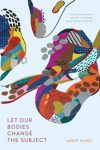
Let Our Bodies Change the Subject by Jared Harél University of Nebraska Press, September 2023
Let Our Bodies Change the Subject by Jared Harél is a poetry collection that dives headlong into the terrifying, wondrous, sleep-deprived existence of being a parent in twenty-first-century America. In clear, dynamic verses that disarm then strike, Harél investigates our days through the keyhole of domesticity, through personal lyrics and cultural reckonings. Whether taking a family trip to Coney Island or simply showing his son snowflakes on Inauguration morning, Harél guides us toward moments of intimacy and understanding, humor and grief. Winner of the Raz/Shumaker Prairie Schooner Book Prize in Poetry, Let Our Bodies Change the Subject is a secular prayer. “I will try,” he admits, “to be better than myself, which is all / I’ve ever wanted and everything I need.” Hoping against hope, Harél works to reconcile feelings of luck and loss, of living for joy while fearing the worst.
To discover more great books from small, independent, and university presses, visit the NewPages Guide to Publishers as well as the New Books category on our blog. Subscribe to our weekly newsletter to stay up to date!
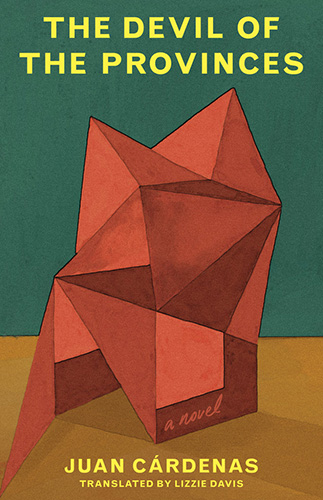
Lizzie Davis’ translation of Juan Cárdenas’ The Devil of the Provinces is a middle finger to literary categorization; mixing elements of both horror and thriller, Cárdenas’ novel plays with conventions of both classifications, while further blurring the lines between genre and literary fiction.
The story follows a failed biologist returning to his hometown. There are some deceptively lighthearted moments early on, mostly musings about the emotional repercussions attached to going back home. A clinical fatalism is always leaking under the surface though, pulling the masks off the comforts a small town and a quiet life seem to bring: “do nothing but wander from end to end, go up and come down, out and in, open and close the fridge door, sometimes lie in front of the TV. Pure actions… completely devoid of intention.”
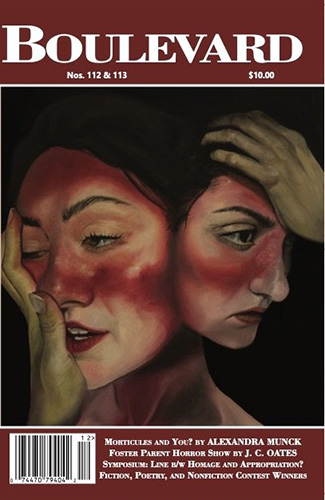
Boulevard Spring 2023 is a double issue (38.112 & 38.113) that includes winning entries from all three of the publication’s emerging writers contests: 2022 Poetry Contest winner Danielle Lemay, 2021 Fiction Contest winner Lacy Arnett Mayberry, and 2021 Nonfiction Contest winner Lee Anne Gallaway-Mitchell. It also features a Boulevard Craft Interview with Danielle Dutton, a symposium on appropriation in art, new fiction from Joyce Carol Oates, David Nikki Crouse, Brad Eddy, Kristen-Paige Madonia, and Alexandra Munck, new poetry from Emma DePanise, Auden Eagerton, Bob Hicok, Abbie Kiefer, Weijia Pan, Doug Ramspeck, JC Talamantez, and Yun Wei, and essays by Amy Mevorach, Rebecca Owen, and Jess Smith. Cover art: Self-Portrait (2020), oil on canvas by Isabelle Roig.
Lit Mag Covers: Picks of the Week recognizes cover art and designs for literary magazines, whether in print or online. These are chosen solely at the discretion of the Editor. Enjoy!
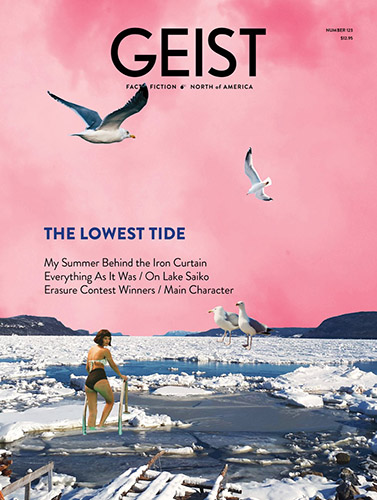
This long-running Canadian publication of ideas and culture, Geist #123 holds an array of content that readers will be drawn to thanks to the cover digital collage, It’s a Different Kind of Cold, 2021, by Nicole Holloway.
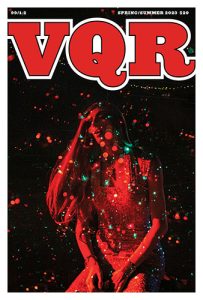
Virginia Quarterly Review is a force to be reckoned with every issue, and this Spring/Summer 2023 is no exception, featuring “The Queens of Queen City,” a longform photo documentary by Michael Snyder accompanied by an essay by Rae Garringer.
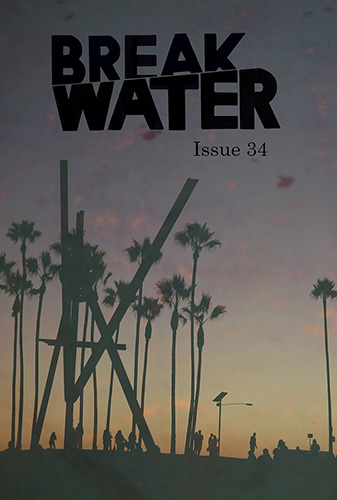
This photograph by Jessamyn Violet made me look more than twice and is just a sample of the full portfolio of her work, Venice Beach Double Exposures, which readers can enjoy in the 2023 issue of Breakwater Literary Magazine.