
Glimmer Train has just chosen the winning stories for their July/August Very Short Fiction Award. This competition is held twice a year and is open to all writers for stories with a word count under 3000. The next Very Short Fiction competition will take place in March. Glimmer Train’s monthly submission calendar may be viewed here.
 1st place goes to Chase Burke of Tuscaloosa, AL [pictured], who wins $2000 for “That’s That.” His story will be published in Issue 101 of Glimmer Train Stories. This will be his first major print publication.
2nd place goes to Brian Yansky of Austin, TX, for “The Curse.” His story will also be published in an upcoming issue of Glimmer Train Stories, increasing his prize from $500 to $700.
3rd place goes to Ajit Dhillon of Singapore, for “Waiting.” His story will also be published in an upcoming issue of Glimmer Train Stories, increasing his prize from $300 to $700.
A PDF of the Top 25 winners can be found here.
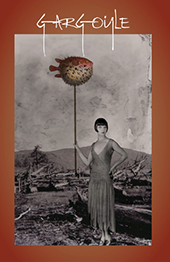 Edited and published by Richard Peabody, along with the work of Associate Editor Lucinda Ebersole, Gargoyle celebrates 40 years of publishing with a ‘two-sided’ issue: Issue 65 – Side 1 and Issue 66 – Side 2. Sadly, Lucinda passed away March 20, 2017, as Peabody notes, “I’m heartbroken that my literary partner in crime has passed away. My plan is to shepherd her short story manuscripts and novel into print over the next few years. She was one of a kind and the funniest human I have ever known.”
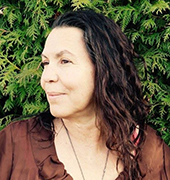 In her Editor’s Notes to Issue 13 of Saranac Review, Elizabeth Cohen begins by quoting Emily Dickinson: “If I read a book [and] it makes my whole body so cold no fire can ever warm me, I know that is poetry. If I feel physically as if the top of my head were taken off, I know that is poetry.”
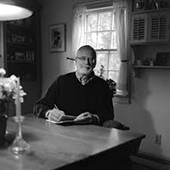 In her last notes, when her hand began
 “Twenty years ago,” writes Brevity Editor Dinty W. Moore, “I had an idea for a magazine that combined the swift impact of flash fiction with the true storytelling of memoir, and Brevity was born. To be honest, I expected it to last a year.”
 After publishing 12 print issues from 2004-2015 in association with Columbia College Chicago, and a brief hiatus, Court Green is back with issue 13, “the first in its new incarnation as an independent online journal” edited by Tony Trigilio and David Trinidad.
 First place: Arianna Reiche, of London, England, wins $3000 for “Archive Warden.” Her story will be published in Issue 101 of Glimmer Train Stories. [Photo Credit: Laura Gallant.]
 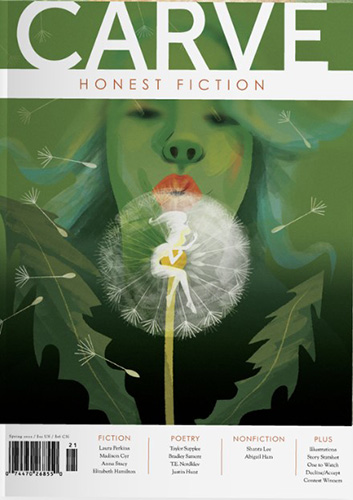 The fall issue of Carve Magazine features the winners of the 2017 Raymond Carver Contest as selected by Guest Judge Pinckney Benedict:
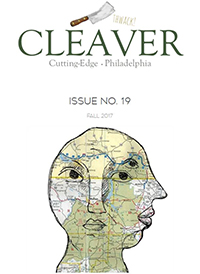 The cover image for issue 19 of Cleaver Magazine online is mixed media/map entitled “He had an Awkward Relationship With The Truth” by Emily Steinberg.
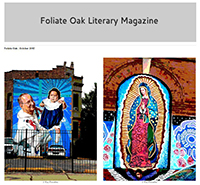 Photographs by street photographer J. Ray Paradiso are featured on the cover screen for the online Foliate Oak Literary Magazine.
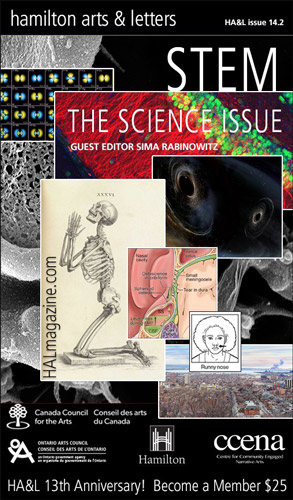 Catherine Heard’s work can be found on the cover of Hamilton Arts & Letters Magazine 10.1 as well as featured in an online portfolio. Her work “work interrogates the histories of science, medicine and the museum. Simultaneously attractive and repulsive, her works delve into primal anxieties about the body.”
 The Virginia G. Piper Center for Creative Writing is seeking a Senior Editor for Hayden’s Ferry Review, a semi-annual international literary journal edited by the Creative Writing Program at Arizona State University.
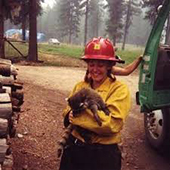 Anastasi Selby’s story was selected as the winning entry for the 2016 Boulevard Short Fiction Contest for Emerging Writers. “Certain Fires” appears in the fall issue (#97). The story focuses “on fighting wildfires in California and the sexual tensions of mixed-gender crews.” Selby worked as a firefighter on three hotshot crews for the USFS in California and Colorado as well as a helicopter crew member for the Park Service in Alaska. She began her fire career in 1999, in Eugene, Oregon, and ended it in 2010, in Fairbanks, Alaska. (From jaselby.com)
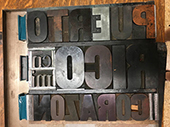 Puerto Rico En Mi Corazon is a collection of broadsides of contemporary Puerto Rican poets, in English and in Spanish. Edited by Raquel Salas Rivera and Erica Mena, published by Anomalous Press, 100% of sales will be donated directly to Taller Salud to assist Puerto Rico in recovering from Hurricane Maria. Including poems by Yara Liceaga, Raquel Albarrán, Luis Diaz (Intifada), Gaddiel Francisco Ruis Rivera, Nicole Delgado, Raquel Salas Rivera, Kadiri Vaquer Fernández, Martín Espada, Hermes Ayala, Ricardo Maldonado, Gegman Lee Ríos, Kenyatta JP García, Claritza Maldonado, Lara Mimosa Montes, Vincent Toro, Cindy Jimenez Vera, Luis Othoniel, Erica Mena, Abdiel Echevarria, and others.
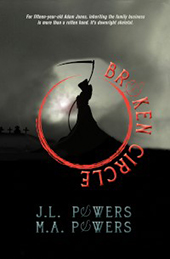 I can’t imagine having one successful author in the family, let alone two, and then the two of them writing – not one book together, but a series? J.L. Powers and M.A. Powers, brother and sister, have embarked on just such a journey together with the release of the first in a series of supernaturally themed YA novels. Broken Circle published by Akashic Books’ YA and middle-grade imprint, Black Sheep. I have long been a fan and follower of Jessica Powers, her previous YA publications reflecting her wide range of interests as well as abilities: The Confessional (Knopf, 2007), This Thing Called the Future (Cinco Puntos, 2011), Amina (Allen & Unwin, 2013), Colors of the Wind – a children’s picture book about Blind Artist and Champion Runner Geroge Mendoza with artwork by Mendoza (Purple House, 2014). This is her first venture into the supernatural, which Claire Kirsch of Publisher’s Weekly describes as “a mix of contemporary characters and setting with a mythological world.”
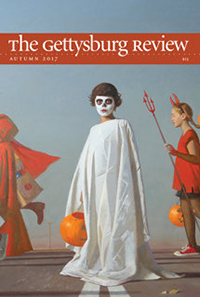 Halloween, detail by Bo Bartlett, is seasonally appropriate for the Autumn 2017 cover of The Gettysburg Review. More of Bartlett’s work is also featured in a full-color portfolio inside the publication.
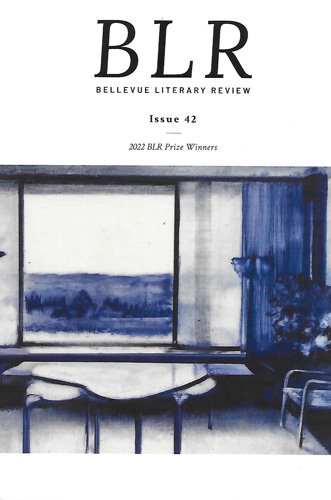 “Finding Home: Family & Connections” is the theme of Bellvue Literary Review‘s Fall 2017 issue, with cover art and internal portfolio by father and son Paul and John Paul Caponigro.
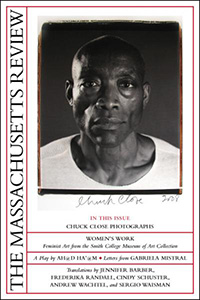 The Massachusetts Review “back-to-school” fall 2017 issue features “He Who Is as if Death Were Not,” an archival pigment print on German etching paper from Ayana V Jackson‘s series To Kill or Allow to Live in the issue.
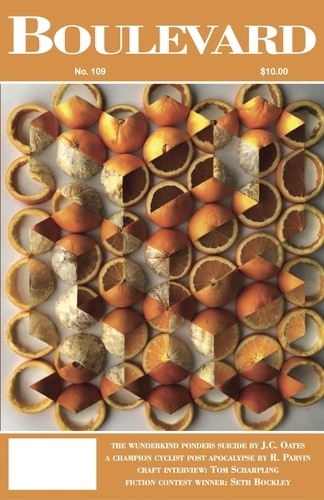 Boulevard‘s fall symposium on campus protests includes essays by Jim Craig, Megan Giddings, Ena Selimovic, Andrew Weinstein, and Robert Zaller responding to the question: “Have the recent campus protests – ranging from demonstrations to the use of safety spaces – against mainly right-wing speakers contributed to a dumbing down of American colleges, or are they effective and necessary?”
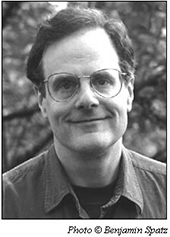 Celebrating its 35th Anniversary, Alaska Quarterly Review Editor-in-Chief Ronald Spatz, while marking the milestone with gratitude, considers this passage of time and what AQR, like many literary publications, has witnessed. “In the past we counted on artists, scholars, scientists, and journalists as reliable firewalls against ignorance. But increasingly there are powerful efforts to silence or marginalize these agents of understanding and change . . . as writers, poets, editors, and publishers, we must redouble our efforts to seek truth in all of its parts while creating every possible opportunity for compassion and empathy. In our view, the role of the arts has simply never been more crucial.”
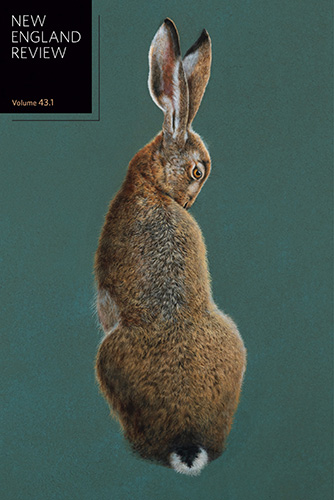 New England Review Editor Carolyn Kuebler writes in the 38.3 Editor’s Note that, while the twenty-three pieces in issue 38.3 (2017) were not chosen for nor do they have a focused message or singular theme, “. . . it surprised me to see how frequently the shadow of war—to take one obvious example of a culture of violence—darkened the edges of these disparate writings. With the world always in the throes of some violence or other, it’s no wonder; whether we’re civilians or soldiers or doctors, we all become part of it. Born during the Vietnam War, finishing college at the start of the Gulf War, and then becoming a parent during the War on Terror, I’ve learned that being in a state of war doesn’t always have a clear beginning and end, and now it’s not even always clear where the war is actually happening and who’s fighting it. It’s not just in this magazine or in this moment in time that writers are contending with such themes; it’s always.”
 Virga is the name for the cloud streaks that stream hazily down from the sky, snow or rain precipitation that evaporates before having a chance to reach the ground. Virga can often fool radar into recording precipitation while the ground remains dry. Perhaps in this same way, poetic and hybrid forms can be as elusive as nature herself, and why Virga is an appropriate name for new online literary biannual dedicated to poetry and hybrid writing.
  September is a busy month for award-winning book releases. Here is just a sampling of small press and university press titles readers can look for this month.
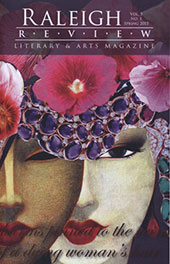 Winner
 Teaching a course in The Novel, I took my students to the fiction section of the library and had them pull down books at random and simply read the first several pages, sometimes just the first sentence. I wanted them to sample as many “beginnings” as they could, then comment on the exercise. Some said they liked it as a way to consider a lot of books and see which one might grab their interest; overwhelmingly, they all wanted to go back and keep reading at least one or more of what they had sampled. Now, imagine this experience of sampling first chapters at your fingertips, on the computer, in one publication, and you will have imagined Embark.
 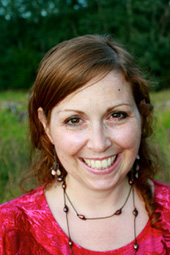 Grand Prize Winner
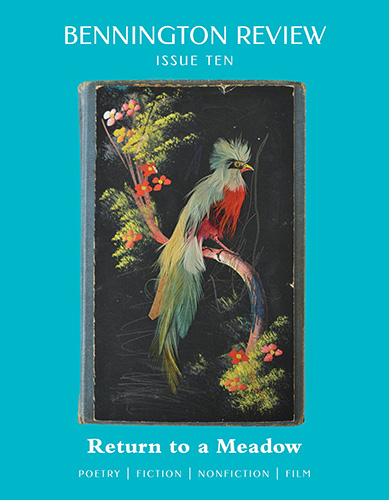 “The decision to consider the work in the current issue of Bennington Review through the lens of threat,” writes Editor Michael Dumanis, “- be this threat political, global, localized, or existential – was made during an uncharacteriscially emotional editorial meeting on Thursday, November 10, 2016, two days after a certain historical event. We felt completely unprepared to imagine what might come next. Animated by collective anxiety – this sense of abrupt dislocation of expectaions, as well as new actual danger – we gravitated toward poems and stories and essays where paradigms were similarly disrupted, where characters suddenly found themselves destabalized by external forces, where institutions and individuals in which we’d placed our trust failed to hold up their end of the bargain.”
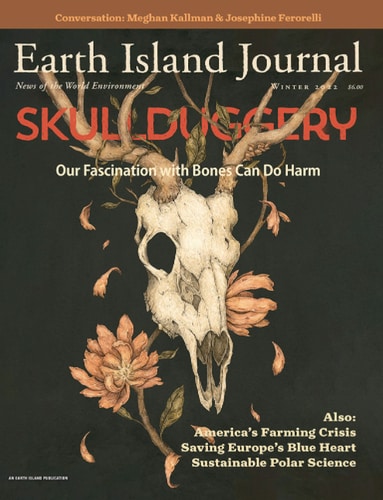 Earth Island Journal is an online magazine that “consistently delivers environmental stories that mainstream media often fail to cover.” As such, writers who have “distinctive stories that anticipate environmental concerns before they become pressing problems, stories that scan the horizon for the next big issue” will find a place for their work here. Earth Island Journal is a paying market for articles on the full spectrum of environmental issues and success stories of individuals and communities defending and restoring the Earth. Each issue also includes the feature “1,000 Words,” focusing on environmental artists and their works.
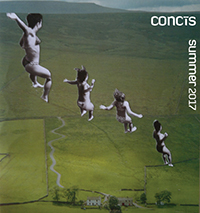 “Field Tripping” by Katie Buchan is the eye-catching cover on the concīs Summer 2017. This online and e-pub journal devoted to brevity is available as PDF download.
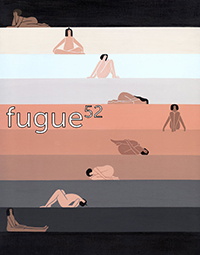 “The Spaces Between” by Laura Berger is featured on the cover of the online issue of Fugue (52). Managed and edited by graduate students in the English and Creative Writing Programs at University of Idaho, Fugue features poetry, plays, fiction, essays, visual-text hybrids, and interviews.
 Do I pick EVERY Kenyon Review cover? Maybe, but when covers make me laugh or do a double take, that’s worth sharing. The artist is Milan, Italy-based Emiliano Ponzi.
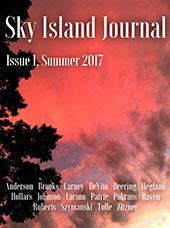 Born in the southern reaches of Arizona and New Mexico, Sky Island Journal is a new, open access online quarterly of poetry, flash fiction, and brief creative nonfiction. Just like its unique geographical namesake, Sky Island Journal promises, “as a writer, no matter who you are, where you’re from, or what you write about – if you’ve ever felt a connection to landscapes, art, or people, your writing might very well find a home with us. As a reader, you’re in for a real treat.”
 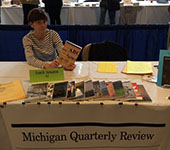 In its Spring 2017 issue, Michigan Quarterly Review editor, Jonathan Freedman, offers a wonderful tribute to Managing Editor Vicki Lawrence who stepped down in May after twenty years with the magazine. As managing editor, Freedman writes, “she did just about everything: copyedited, proofread, supervised all the other manifold details of the publishing process, helped select the covers, talked the authors into her judicious recasting of the more infelicitous, erroneous, or just plain aberrational turns of phrase or thought. She schlepped copies of the journal to the Ann Arbor Book Festival and the AWP convention with equal vigor and tenacity.”
 The Rust Belt extends from the Great Lakes to the Upper Midwest and refers to the deindustrialization the region experienced as needs and supplies changed over the decades. As a Michigander, Detroit and Flint are well-known names from our state representing the Rust Belt sector. But on the tails of any discussion of decline and decay are examples and stories of revitalization and renewal, and these are common literary themes. Rattle takes a uniquely complex approach in issue #57, looking instead to the impact “the shifting political attitude of this region” had on the 2016 election and checks in to “find a first-hand account of what’s going on through the poet’s eye.”
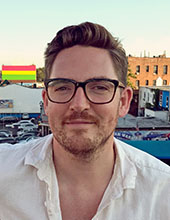 1st place goes to Dan Murphy [pictured] of Brooklyn, NY, who wins $2500 for “In Miniature.” His story will be published in Issue 101 of Glimmer Train Stories. This will be his first fiction publication.
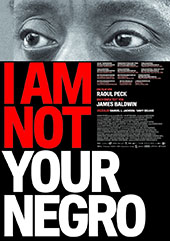 “I Am Not Your Negro shows how the later Baldwin, as he negotiated the politics of the mid-to-late 1960s and lived through the murders of Medgar Evers, Malcolm X, and Martin Luther King, Jr., became disillusioned about the possibility of any peaceful resolution to racism. Though the film hints at Baldwin’s emergent anti-capitalism, attention to the texts Peck draws from reveal the force with which Baldwin began to see American capitalism, nationalism, normative sexuality, and whiteness as inextricably bound. To address racism, then, he came to believe, would require a fundamental transformation of society. More likely, though, America would burn itself to the ground.”
 Emma Lazarus’ sonnet “The New Colossus” has gained new popular attention of late, thanks in part to White House senior policy adviser Stephen Miller’s comments dismissing the value of its message to immigrants. But, before Miller, this poem engraved on The Statue of Liberty was the inspiration for Breathe Free Press, a magazine the Editor Deborah Di Bari says was “founded in great part to resist the Trump administration’s oppressive policies.”
 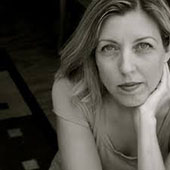 Listen, the dolls in my dollhouse
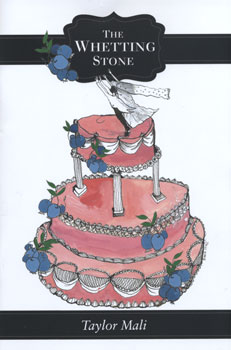 Subscribers to Rattle magazine will find a nice surprise with their Fall 2017 issue: a copy of the 2017 Rattle Chapbook Prize Winner, The Whetting Stone by Taylor Mali. In The Whetting Stone, Mali explores his wife’s suicide, her life, their love, and Mali’s guilt and resilience, with poetry that is stark and accessible.
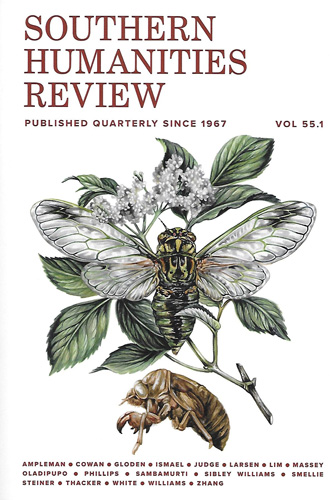 Publishing fiction, poetry, and essays from the Department of English at Auburn University, Alabama, Southern Humanities Review celebrates 50 year in print with volume 51.1. The issue features an essay by Greg Varner; fiction by Craig Bernardini, Megan Fahey, Beck Hagenston, Ted Morrissey, and Hannah Pittard; and poetry by Jessica Rae Bergamino, Marci Calabretta Cancio-Bello, Tarfia Faizullah, Joe Jiménez, Elizabeth Langemak, Kamilah Aisha Moon, Melissa Mylchreest, Sam Ross, sam sax, Derek Sheffield.
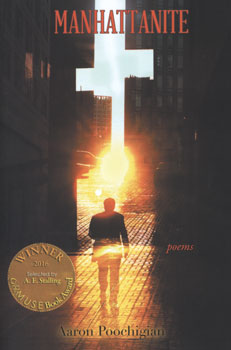 Able Muse Press annually holds the Able Muse Book Award, which offers a $1,000 prize, plus publication of the winning manuscript. The 2016 winner was recently published: Aaron Poochigian with Manhattanite.
 Winners of the annual Mary C. Mohr Awards in fiction and poetry appear in the Spring 2017 issue of Southern Indiana Review. Each winner receives $2000 and publication. Entries for the 2017 award are open until October 2.
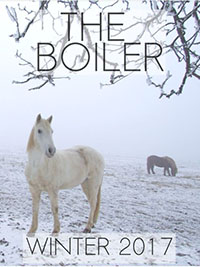 “Decompose #4” by Taylor Torres is featured on the cover of The Boiler, an online quaterly of poetry, fiction, and nonfiction from emerging and established authors, as well as artwork.
 Thread is an online “intersectional feminist arts collective” publishing visual art, poetry, prose and creative nonfiction bimonthly.
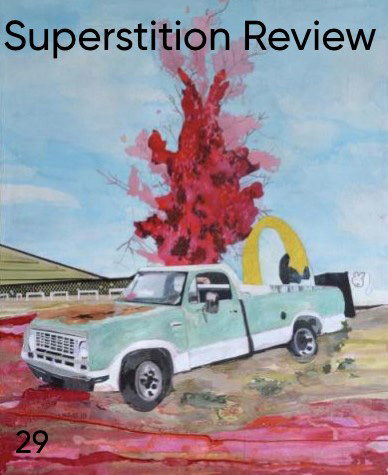 The work of artist and activist John Sproul is featured on the cover of Superstition Review #19.
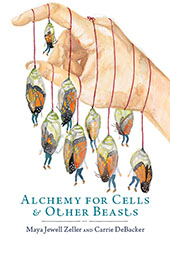 Entre Rios Press offers readers several new titles that will come with free audio download.Publisher Knox Gardner has been working closely with the book designer and audio producer. He tells me, “When I get the audio back from the studio, I am always startled to hear something new about the poems. I love it.” Gardner says they will have audio on all of their books and these first three will be available for free download for all listeners (not password protected). Samples are currently available on their website or here on their SoundCloud station. Entre Rios is also working to include an interview/discussion with Maya Zeller and Carrie DeBacker as part of their audio download.
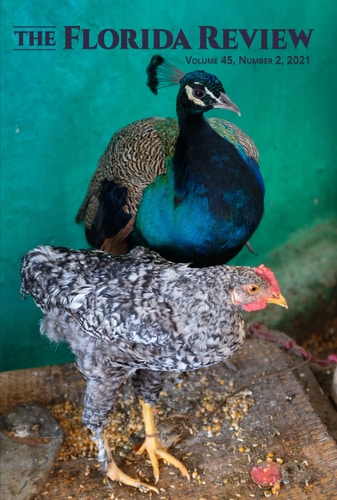
 After the first few months of getting their online feet wet, Aquifer: The Florida Reviw Online is now open for general submissions. Writers are encouraged [as always] to review the publication content to make sure their writing is a good fit before submitting. “We are seeking top-quality digital stories, graphic narrative, creative nonfiction, fiction, and poetry” the editors say. TFR is also introducing a January annual $50 “staff picks” award from among all the authors published in the print TFR and Aquifer.
 Fiddlehead Fiction Editor Mark Anthony Jarman introduces this issue’s contents as a showcase of “great, sensuous stories from the east coast and west coast and around the world,” and adds that the issue also features a nonfiction work, “The Foxes of Prince Edward Island,” by Matthew Ferrence. “. . . it is our desire,” Jarman explains, “to include more creative nonfiction in future issues of The Fiddlehead.” Readers can find Jarman’s introduction and Eden Robinson’s story “Nanas I Have Loved” available to read online.
 Under the Sun online creative non-fiction annual offers teachers “Ten reasons why our online journal would be a good choice in your writing courses,” including the fact that the editors are teachers and writers themselves. They’ve tested Under the Sun in their own classrooms to positive feedback from students. And students – you have a voice! Let your teachers know about Under the Sun and other great, free access, literary and alternative magazines at NewPages!
 For either 12 or 24 hours starting at 9am on August 5, 2017, an elite group of writers entered into – and finished – the annual Poetry Marathon. This was my second year I entered only the half marathon, writing one poem per hour for 12 hours, from 9am – 9pm.
 The winners of The Malahat Review Long Poem Prize appear in the Summer 2017 issue and interviews with each poet are available to read on the publication’s website. Winners receive $1000 and publication. Contest judges: Louise Bernice Halfe, George Elliott Clarke, and Patricia Young.
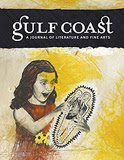 The newest issue of Gulf Coast (v29 n2) features winners from two of their annual contests. Established in 2008, the Barthelme Prize for Short Prose is open to pieces of prose poetry, flash fiction, and micro-essays of 500 words or fewer. One winner receives $1,000 + publication; two honorable mentions receive $250. All entries will be considered for paid publication on the Gulf Coast website as Online Exclusives.
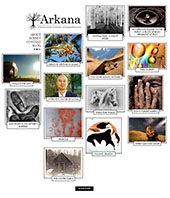 Arkana is a new biannual online journal published by the Arkansas Writers MFA Program at the University of Central Arkansas. While the name may seem obviously connected to the place, “arcana” can also mean a secret or a mystery, or a powerful and secret remedy, some “great secret of nature that the alchemists sought to discover.” This definition, the editors explain, is what they want Arkana to be all about: “discovering powerful voices that haven’t previously been heard, but speak to human nature and the human experience. Publishing every genre possible, and with the welcoming flexibility online offers, the editors want to “be the literary journal of mysteries and marginalized voices—to champion the arcane.”
  Nonfiction
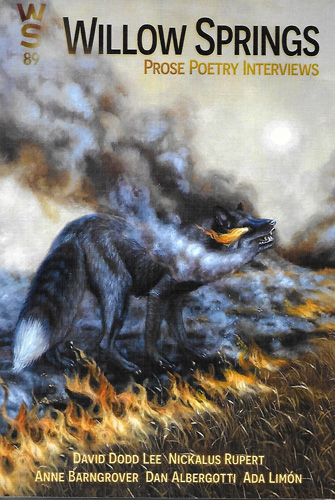 Happy 40th Anniversary to Willow Springs magazine of poetry, fiction, nonfiction, and interviews published out of Spokane, Washington. Issue 80 features approriate celebratory cover art by Marta Berens (“Crystal Structure”) of a small girl seeming to be caught in mid-dance, and inside this issue, the poem “Anniversary,” by Elizabeth Austen includes these closing lines: “I twist as if I, like the jellyfishdress, / am suspended, still / thick with possibility, still buoyant.”
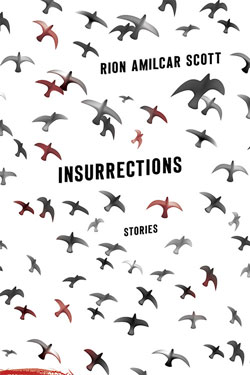 Each year, PEN America grants one winner of the PEN/Robert W. Bingham Prize for Debut Fiction a $25,000 cash prize, given in memory of Robert W. Bingham. The 2017 winner, judged by Jami Attenberg, Tanwi Nandini Islam, Randall Kenan, Hanna Pylväinen, and Akhil Sharma, is Rion Amilcar Scott with Insurrections (University of Kentucky Press, August 2017).
 Gulf Coast: A Journal of Literature and Fine Arts introduces The Toni Beauchamp Prize in Critical Art Writing to provide a venue and support for young and mid-career U.S. writers. “Grounded in both scholarship and journalism, critical art writing occupies a specific niche. The best examples appeal to a diverse readership through an accessible approach and maintain a unique voice and literary excellence. The Prize will consider submissions of work that has been written (or published) within the last year. A variety of creative approaches and formats to writing on the visual arts are encouraged, and can include thematic essays, exhibition reviews and scholarly essays.”