Home » Newpages Blog » Fiction » Page 8

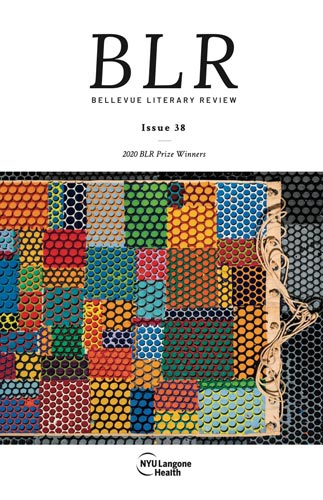
Bellevue Literary Review – No 38

Issue 38 of the Bellevue Literary Review (BLR) came together just as NYC and Bellevue Hospital were in the throes of the Covid-19 pandemic. Some of the BLR staff were alternating N95 masks with red pens, balancing patient-care with literary work. But the issue made it to the presses and is packed with good reads. It features the winners of the 2020 BLR Literary Prizes. The poems, essays, and stories in this issue travel from China to Texas to Tehran, from small town to big city, from World War I-era to the present. Stay tuned for Issue 39, coming in the fall, whose theme is “Reading the Body.” Read more at the Bellevue Literary Review website.

Seeing Dead People

Magazine Review by Katy Haas

Say, “I see dead people,” to just about anyone, and they’ll likely be able to name the movie it came from. But unlike Haley Joel Osment’s character in The Sixth Sense, attempting to help the dead find peace, Jasmine, the narrator in Catherine Stansfield’s “I See Dead People and Other Gags” uses the concept to help herself.

Jasmine tells people she can speak to their dead loved ones, and uses social media to glean information that she later uses in her sessions. Having lost her own mother at a young age and never really speaking about it again gives her a detachment from death and the sentimental feelings surrounding it, so she profits off other people’s pain and grief. However, at the end of the story, she’s hit with a surprise that may make her change her mind about her career path.

I would’ve enjoyed reading more about Jasmine and her work, getting to know more about her clients and her grandmother who casts a shadow over her mother’s death. Stansfield’s writing style is matter of fact and straight forward, fitting for Jasmine’s no-nonsense character. But what we are given is a fun read, a peak behind the medium’s curtain.

A Woman’s Experience in the Gold Rush

Guest Post by Christina Francine

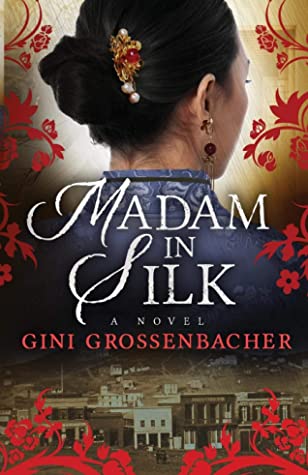
Is making a living worth risking life and reputation? For Au Toy during the American Gold Rush, it was. There isn’t another way. When her abusive husband dies from consumption on the journey by ship from China in 1849, Au is left with her freedom, but without a way to support herself.

The price women pay for independence and safety historically is high. Many women used the only resource they had – their body. For Au Toy, her choices are even more limited due to her bound feet. Not wanting to subject herself to sex work, Au opens a “Lookee shop” instead. The San Francisco bay held unspeakable danger though, especially when Au is “fragile” and “dainty,” twenty years-old, and “varmints” and “ruffians” fill the streets. Her loyal servant, Chen, is big and strong, yet the two need safer accommodations. Mining camps spring up and more men than women roam the area. Au has to be careful with who she allows inside her shanty to look at, but not touch her naked body. When one of her observing customers is a policeman from New York assigned to protect the area, he unnerves her. Ever careful, she works to not encourage him or any of her clients. And yet, John Clark’s gentle nature and soft voice give her pause. He tells her “You are so very lovely, Mrs. Toy. Your skin is like alabaster, your hair like spun silk.” He agrees to pass by regularly on his round for her safety. John Clark warms Au and yet she’s not sure exposing her heart is a good idea. She may never recover.

Grossenbacher’s Madam in Silk is a suspenseful romance to be sure, but also a treat for those longing to travel through history. She captures the essence of people, time-period, setting, and historical events perfectly. Her dedicated research is obvious. She also captures the dangers and stigma women face in order to make a living no matter the time in history. Though a historical account, the situation unfortunately exists present day. Grossenbacher reminds readers of humankind’s ability for cruelty and evil, but also for kindness and love. A heartwarming novel intricately plotted with historical data. A valuable exploration too of how women, especially foreign women, fit into the larger scheme of Gold-Rush history.


Madam in Silk by Gini Grossenbacher. Jgks Press, July 2019.

Reviewer bio: Christina Francine is an enthusiastic author for all ages. She is the author of Special Memory (picture book) and the Mr. Inker series (leveled readers). Journal of Literary Innovation published her analysis on students’ writing across the nation Spring 2016. She believes individual learning style may solve world problems.

Revisiting Childhood Favorites

Guest Post by Chang Shih Yen

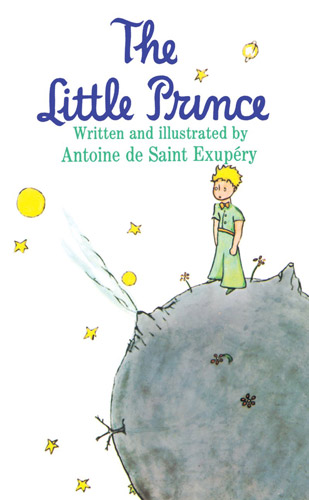
Lockdown gives you more free time to reread classics and revisit things you love as a child. The Little Prince is a book by French writer and aviator, Antoine de Saint-Exupéry. It was originally written in French and first published in 1943. Since then, it has been translated into hundreds of languages and has sold many millions of copies.

In The Little Prince, the narrator is a pilot who has crash landed in the Sahara Desert. In the middle of the desert, the pilot meets a little prince who comes from a different planet. The little prince has decided to travel and visit different planets, including Earth. The little prince asks the pilot many questions about the world. In this book, readers meet many characters like the little prince, his rose, his lamb in a box, and the fox. The book is also illustrated with charming illustrations by the author.

The Little Prince may be a children’s book, but it should be recommended reading for all ages. This book reveals the truths about life and the essential secret to understanding life. This book can be read at any stage in life, and each time that you read it, you will discover new truths and connect with your inner child.


The Little Prince by Antoine de Saint-Exupéry. Reynal & Hitchcock, 1943.

Reviewer bio: Chang Shih Yen is a writer from Malaysia, seeing through the pandemic in New Zealand. She writes a blog at https://shihyenshoes.wordpress.com/

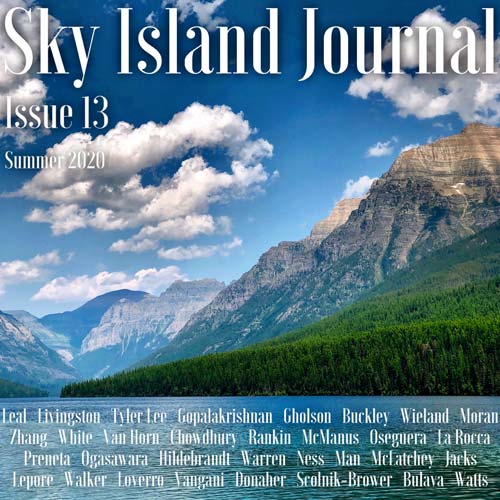
Sky Island Journal – Summer 2020

Sky Island Journal’s stunning 13th issue features poetry, flash fiction, and creative nonfiction from contributors around the globe. Accomplished, well-established authors are published—side by side—with fresh, emerging voices. Readers are provided with a powerful, focused literary experience that transports them: one that challenges them intellectually and moves them emotionally. Always free to access, and always free from advertising, discover what over 70,000 readers in 145 countries already know; the finest new writing is here, at your fingertips.

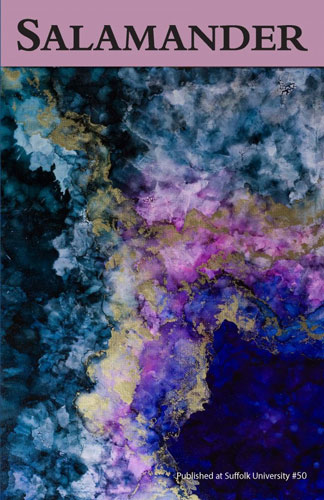
Salamander – No. 50

The Summer 2020 issue of Salamander features poetry by Rajiv Mohabir, Emily O’Neill, Rose McLarney, Sebastián Hasani Páramo, and many more; translations by Martha Collins, Nguyen Ba Chung, and Sergey Gerasimov; fiction by Anne Kilfoyle, Matthew Wamser, Olivia Wolfgang-Smith, and Joanna Pearson; creative nonfiction by Kathryn Nuernberger; artwork by Emily Forbes; and reviews by Joseph Holt, Mike Good, Katie Sticca, and Brandel France de Bravo.

Event :: Storyville Writing Workshop Offers Virtual Opportunities

Storyville Writing Workshops logoOngoing Enrollment; Location: Online
Storyville Writing Workshop offers virtual writing workshops online for a wide variety of skill levels. Workshops provide personalized critiques, ongoing email access to the instructor, writing resources, personal virtual meetings via Google Meet, as well as access writing forums. The Basics of Novel Writing is currently available to enroll in. Learn more at storyvilleworkshop.com/online-workshops/.

The MacGuffin – Spring Summer 2020

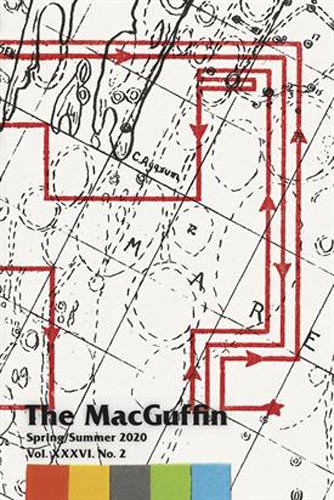
Evan D. Williams’ Escape Risk on the cover of The MacGuffin’s Volume 36.2 charts a vivid route out via literature of whatever quarantine situation you may find yourself trapped in. Journey to a new home and a new job in Mark Halpern’s “Would You Like Fries with That?” or head out on a cinematic cross-country trek with grandma in Jordan J.A. Hill’s “Marching Towards Golgotha.” Matthew Olzmann—guest judge of this year’s Poet Hunt contest—is highlighted in a short feature that begins on p. 101, while Erin Schalk’s gouache, ink, and wax form a vibrant mid-volume oasis.

Event :: Willow Writers’ Workshop Now Offering Virtual Workshops for 2020

Beginning Dates: July 27; Virtual
Registration Deadline: Rolling
Willow Writers’ Workshops is going virtual this summer and fall! We will offer workshops, providing writing prompts, craft discussions, and manuscript consultations. All levels are welcome. Three different courses are being offered: Desire to Write? An Introduction to Creative Writing; Flash: Writing Short, Short Prose; and Writers Workshop on Thursday Nights, a six-week course focusing on short stories. Summer dates begin July 27. The facilitator is Susan Isaak Lolis, a published and award-winning writer. For more information, check out willowwritersretreat.com.

Childhood Crushes & Dentist Fanfiction

Magazine Review by Katy Haas

Who didn’t have an embarrassing crush growing up? For thirteen-year-old Chava in “I Love You, Dr. Rudnitsky” by Avigayl Sharp, her new crush is her titular dentist.

Chava, deep in the throes of the brutality of puberty, falls in love with her dentist one day. Her newfound crush with its accompanying fantasies serves as a respite from her real life: being Jewish and bullied at her Catholic school, a disconnect with her distant mother, and disgust at her own body—her weight, her body hair, her budding sexuality.

Sharp gives Chava a voice that’s somehow both humorous and tragic, bringing me back to those awkward days of adolescence and the torturous process of puberty. She’s upfront and honest, telling us truths she doesn’t admit to others, while simultaneously wrapping us up in one lie after the other. By the end of the story, it feels like we’re reading her Dr. Rudnitsky fanfiction she’s posting on some secret blog. One can’t help feeling sympathy for Chava, for wanting to sit her down and give her a hug and some advice, and we can thank Sharp for creating such a cringe-worthy yet completely loveable character.

“Tacos Callejeros” by Kenneth Hinegardner

Magazine Review by Katy Haas

There’s a fine selection of short fiction in the Spring/Summer 2020 issue of Concho River Review. Among them is the five-page “Tacos Callejeros” by Kenneth Hinegardner.

In this story, Steven observes a mother and her two children at a restaurant. The children misbehave as he eats and watches their behavior, and he ends up taking a liking to their mother, Melanie. Between these observations are passages about watching a dog fight on a past trip to Tijuana. As we read, it becomes clear Steven is not a caring and concerned individual, but is closer to a dog, its teeth around another dog’s throat.

Hinegardner writes with a slow build to the end, writing with precision and subtlety. The final character in this story, Ruben, acts the reader’s place, recognizing this part of Steven that is slowly revealed across the pages in this chilling, short piece.

Event :: The Center for Creative Writing Offers Online Opportunities for Writers

The Center for Creative Writing has been guiding aspiring writers toward a regular writing practice for more than 30 years. Their passionate, published teachers offer inspiring online writing courses in affordable six-week sessions, as well as one-on-one services (guidance, editing) and writing retreats (virtual for 2020). Whatever your background or experience, They can help you become a better writer and put you in touch with the part of you that must write, so that you will keep writing. Join their inclusive, supportive community built on reverence for creativity and self-expression, and find your way with words. Creativewritingcenter.com.

The Power of Translation in The Return

Guest Post by Christy O’Callaghan

Last summer, when we could still travel, I had the honor of attending the Disquiet Literary Program in Lisbon. As part of that fantastic two weeks, we were treated to panels of local authors and discussions about the history of Portugal. Had I not had that experience, I may never have learned about the western world’s longest dictatorship. The panelists possessed so much history as people who lived those times or grew up in the wake of them. One such panelist was Dulce Maria Cardoso. Before I left Portugal, I’d already ordered her book The Return.

Her novel, which is translated into English by Angel Gurria-Quintana, mirrors her experience of being a Portuguese citizen but raised in Angola, one of Portugal’s colonies at the time. When Portugal had its revolution, so did their colonies. This book follows a family exiled back to Portugal, returning to a country many had never set foot in and where they weren’t welcomed with open arms. The main character Rui is a teenage boy trying to wrap his head around what’s happening, why, and how to live in this foreign Motherland.

Books like The Return exemplify why good translations are valuable. This dictatorship, let alone that colonies still existed, weren’t discussed when I was in school. And these events took place only 45 years ago. Being able to hear Dulce tell her story was a gift I shall treasure forever, but not everyone has that privilege. Access to books written in other languages then translated means more people can share in that information, those cultures, and experiences. Learning about our own society and history is essential. So too is knowing what has happened in the larger world—allowing us to glean from other’s experiences in hopes of not repeating them.


The Return by Dulce Marie Cardoso. MacLehose Press, 2016.

Reviewer bio: Christy O’Callaghan lives in Upstate, New York. Her favorite pastimes include anything in the fresh air. For her blog and writing, go to christyflutterby.com.

Concho River Review – Spring 2020

This issue is dedicated to Dr. Terry Dalrymple, the founding editor of CRR. It includes fiction by Peter Barlow, Michael Fitzgerald, and others; nonfiction by Michael Cohen, Lucie Barron Eggleston, and more; and poetry by Barbara Astor, Roy Bentley, Jonathan Bracker, Matthew Brennan, Holly Day, Alexis Ivy, Ken Meisel, Alita Pirkopf, Maureen Sherbondy, Travis Stephens, Marc Swan, Loretta Diane Walker, Francine Witte, and more. Read more at the Concho River Review website.

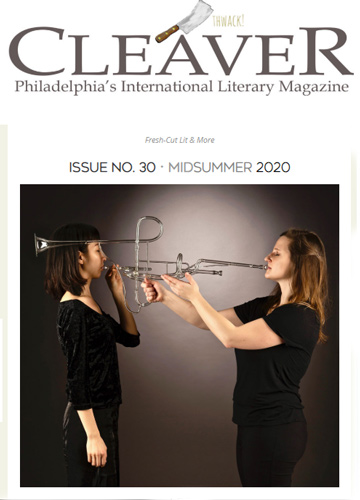
Cleaver Magazine – Summer 2020

This issue of Cleaver Magazine features art by Madeline Rile Smith, a visual narrative by Emily Steinberg, and an essay on the art of Jan Powell by Melanie Carden. Also in this issue: short stories by Reilly Joret, Elaine Crauder, Melissa Brook, and Marion Peters Denard; flash by Susan Tacent, Brenna Womer, Michelle Ephraim, Leonard Kress, and others; and poetry by Roy Bentley, Stella Hayes, and more.

Call :: Daphne Review Summer Mentor Program Applications Due July 31

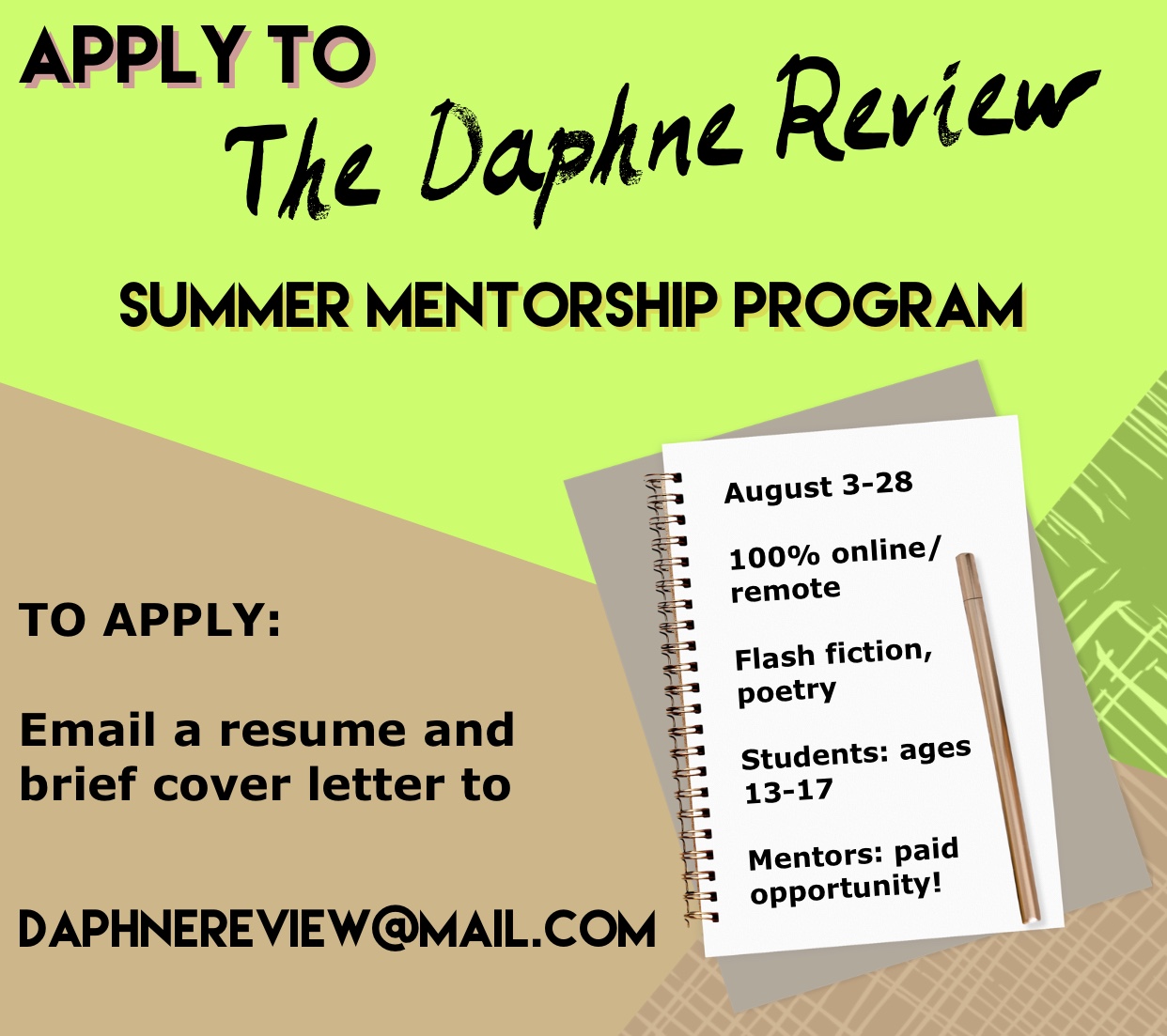
The Daphne Review 2020 Summer Mentorship bannerDeadline: July 31, 2020
Don’t forget The Daphne Review is hosting an online mentorship program for talented high school student writers and established writers/teachers acting as their mentors. They’re currently taking applications for both types (students and qualified mentors) until July 31st! To apply, submit a resume and brief cover letter to [email protected]. Start Date: August 3-28. Format: online. Classes: flash fiction, poetry. Pay for mentors: $50 per hour for skype or $200; $25 per hour for email or $100; total: $300 via paypal. www.thedaphnereview.org

The Florida Review 2019 Editors’ Awards Winners & Finalists

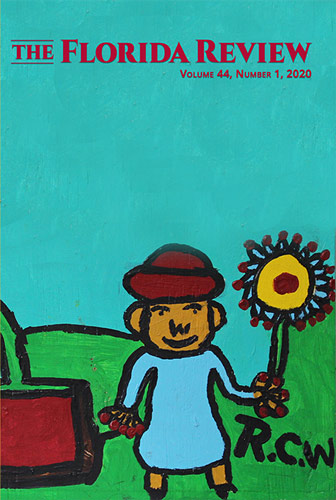
The latest issue of The Florida Review includes the writers who placed in the 2019 Editors’ Awards. There are plenty to sink your teeth into.

Nonfiction
“Skin the Bunny” by Kirk Wilson
“To Trace the Sky” by Cherie Nelson

Poetry
“Father-Son & Holy” by Aurielle Marie
“Bridal Suite” by Joanne Dominique Dwyer
“Culture Shock” & “The Cycle” by Lani Yu

Fiction
“In Loco Parentis” by Eleanor Bluestein
“Americana” by Jennifer Buentello
“All the Guessing Gets Us” by George Looney

Chapbook
“Bedweather” by Angelo R. Lacuesta & Roy Allen Martinez
from “My father is housed inside a whale” by My Tran

There’s even more to check out within this issue, so be sure to grab a copy for yourself.

Sponsor Spotlight :: Tint Journal Focuses on Writing by Non-Native English Speakers

Tint Journal Spring 2020 IssueOnline literary magazine Tint Journal was founded in 2018 during the LARB/USC Publishing Workshop. Their mission is to encourage emerging and established ESL authors to stand behind their non-native backgrounds. The publish fiction, nonfiction, and poetry by non-native English writers biannually.  They also accept interviews and reviews by contributors of any linguistic background.

By choosing English as their means of communication, these writers provide their English reading audience with an immediate take on their values, ideas, and beliefs. They bridge borders and blend cultures without the third party of the translator and offer the purest and deepest understanding of their fiction and nonfiction worlds.

Their Spring 2020 issue features essays, poetry, and fiction by Catherine C. Con, Annick Duignan, Ifeoluwa Ayandele, Eneida P. Alcalde, Sejal Ghia, Rhea Malik, E. Izabelle Cassandra Alexander, Mario Marčinko, Hibah Shabkhez, and Caroline Smadja.

Stop by their listing on NewPages to learn more about them.

Sponsor Spotlight :: Better Than Starbucks, Not Your Ordinary Poetry Magazine

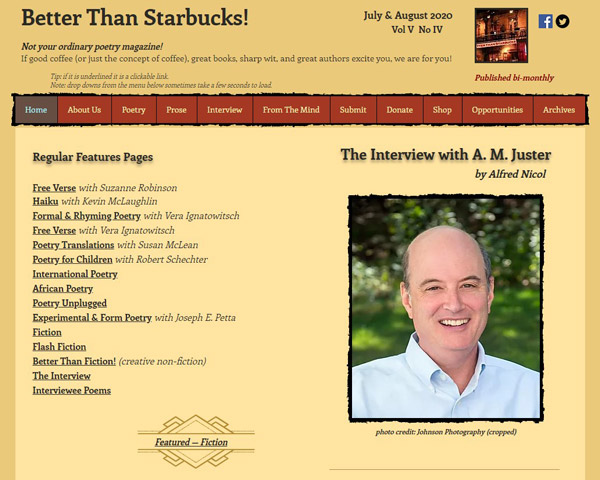
Better Than Starbucks July/August 2020 IssueBetter Than Starbucks is an online literary magazine publishing multiple genres of poetry including free verse, formal poetry, haiku, experimental poetry, poetry for children, African and international poetry, and poetry translations. Every issue features a poetry interview with a featured section of poems. While the main focus of the journal is poetry, they do also publish fiction, flash fiction, micro fiction, and creative nonfiction.

They publish six issues a year and you can find over 30 of their past and recent issues available to read in their online archives. Their current edition features an interview with A. M. Juster by Alfred Nichol. Learn more about them at their listing on NewPages.

2020 Dogwood Literary Award Winners

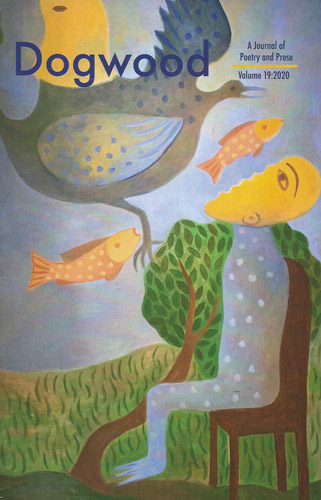
The Spring 2020 issue of Dogwood features the 2020 Dogwood Literary Award Winners in fiction, nonfiction, and poetry.

Nonfiction
“The Ritual of Smoking” by Rhonda Zimlich

Poetry
“Dear You” by Fay Dillof

Fiction
“Arbor Day” by Rebecca Timson

This year’s contest judges were Daisy Hernández (nonfiction), Ellen Doré Watson (poetry), and Ladee Hubbard (fiction). Visit Dogwood’s website for a celebration of each of the winners with words from the judges and bios for the winning writers.

Sponsor Spotlight :: Auroras & Blossoms Focuses on Positivity, Art, & Inspiration

Auroras & Blossoms 2020 NaPoWriMo Anthology coverAuroras & Blossoms is an electronic literary magazine launched in 2019 by co-founders Cendrine Marrouat and David Ellis. It is dedicated to promoting positive, uplifting, and inspirational poetry, poetry-graphy, short stories, 6-word stories, paintings, drawings, and photography. They feature poetry from adults as well as young writers ages 13-16. As they are a family-friend platform, no swear words, dirty words, politics, or erotica is allowed.

They also publish digital anthologies. Their first is the NaPoWriMo Anthology which contains poetry written throughout National Poetry Writing Month in April 2020 and features work by Donna Allard, Chandni Asnani, Maria L. Berg, Jamie Brian, Jimena Cerda, Jaewon Chang, Ravichandra Chittampalli, Sandra Christensen, Mimi DiFrancesca, Fiona D’Silva, Kate Duff, Judy Dykstra-Brown, Amanda M. Eifert, Stacie Eirich, David Ellis, Michael Erickson, Deveree Extein, Jack M. Freedman, Alicia Grimshaw, Jenny Hayut, Patrick Jennings, Liam Kennedy, Ting Lam, Rose Loving, Cendrine Marrouat, Michele Mekel, Ally Nellmapius, William Reynolds, Madhumita Sarangi, Anna Schoenbach, Julie A. Sellers, Jonathan Shipley, Dorian J. Sinnott, Krupali Trivedi, Angela van Son, Michele Vecchitto, Penny Wilkes, and Gemma Wiseman. Their next anthology will be PoArtMo which stands for Positive Art Month and Positive Art Moves.

Stop by their listing at NewPages to learn more.

Past Fiction Shapes Our Present

Guest Post by Leland Davidson

You are not a politician, but self-made through hard work. You are not political and don’t fancy politics and prefer a life of content over luxury. Then the president of the United States himself has asked you to become the head of a government subcommittee, which is supposed to help the nation’s safety and better the country that you live in.

However, through digging and fact-finding, you discover this committee is sponsored by a giant and powerful company that is buying off politicians and absorbing other markets such as the media and weapon manufacturing. Trevayne was written in 1973 by Robert Ludlum on the heels of the Watergate scandal. But in a way, this book is more relevant in our modern-day situation involving the privatization of the United States of America. Companies and powerful families such as Koch and DeVos. Add on corporations like Facebook, Amazon, and Raytheon, which have since majorly impacted our democracy, and we see a cautionary tale in this book written nearly 50 years ago.

In this book Andrew Trevayne has a choice to stop this corporation from completely taking over the country and influencing all its decisions, or assimilate with it, thus shaping the future United States in the same manner we are seeing today. Trevayne can be seen as a fictional and nonfictional example as the United States is more of a business and money opportunity for the rich than for the working class who truly shape the nation.


Trevayne by Robert Ludlum. Delacorte Press, 1973.

Reviewer bio: Leland Davidson, a native of East Tennessee, holds an M.A. in Conflict Resolution and Coexistence from Heller School at Brandeis University, 2020.

Buy this book through our affiliate Bookshop.org.

Kenyon Review – July/Aug 2020

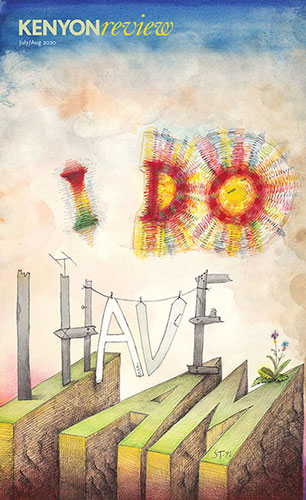
The July/Aug issue of the Kenyon Review offers fiction chosen by guest editor Angie Cruz. Featured authors include Samia Ahmed, Yalitza Ferreras, Katherinna Mar, Cleyvis Natera, and Namrata Poddar. In her introduction, Cruz writes “When I reread the stories featured in this issue, I find solace in them. They serve as evidence or reminders that as a collective, as members of the global community, everything we are feeling and experiencing now is both temporary and ongoing.” The new issue also includes work by Dan Beachy-Quick, Stephanie Burt, Floyd Collins, Nicola Dixon, Rodney Jones, Stanley Plumly, Grace Schulman, and Arthur Sze.

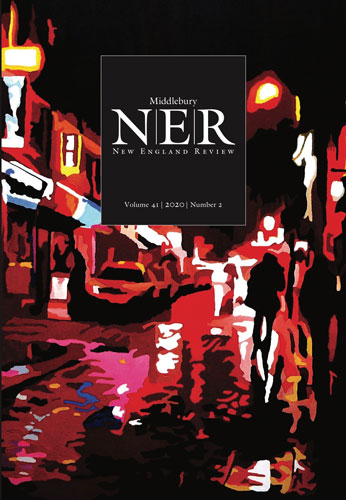
New England Review – 41.2

The summer New England Review issue extends deep into the past, with translations from ancient Greek, historical fiction featuring Alfred Nobel, and an essay/collage about Virginia Woolf and Elizabeth Bowen. It imagines the future with speculative fiction and crosses the Atlantic to bring together fifteen contemporary poets from the UK. Fiction by Hugh Coyle, Rachel Hall, Laura Schmitt, and more; poetry by Emma Bolden, Jehanne Dubrow, David Keplinger, Esther Lin, Joannie Stangeland, and others; and nonfiction by Indran Amirthanayagam, Zoë Dutka, and more.
Driftwood Press – Issue 7.2

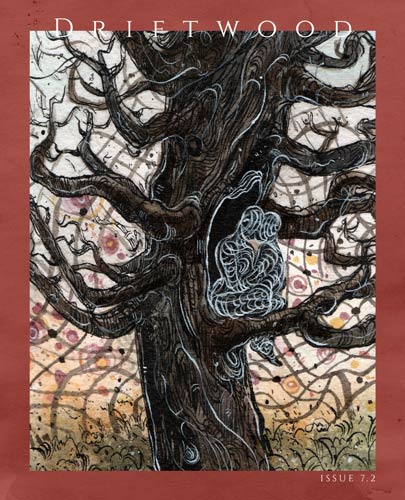
Featured in our latest issue is the 2020 In-House Contest winning story “Trash Man” by Jessica Holbert alongside another story, “The Taxidermist,” by Seth Tucker. The poetry in this issue explores the emotional and physical connections to different geographies and technologies, from abandoned lighthouses and frost-covered pastures to half-truth news coverage and Harry Potter. Wrapping up the issue are visual arts and comics by Coz Frimpong, Geoffrey Detrani, Yi-hui Huang, Aimee Cozza, and Jason Hart. Read more at the Driftwood Press website.

Sponsor Spotlight: Club Plum Literary Journal

Club Plum logoClub Plum Literary Journal is a new quarterly online literary magazine founded in 2019. They have released three issues to date with a focus on flash fiction, prose poetry, and art from both emerging and established writers. Their aim is to act as a “temporary entrance into a literary world of empathy, art, and sound. A place to take and to give.”

They keep their site clean and free of ads and distracting elements so the reader’s experience is focused on the absorbing tales and imagery unravelling in voices either understated or lyrical, but always powerful. “This is a safe place. Our hearts have been pummeled; our minds have been toyed with. We see clearly now. This is a place for thinkers and doers. A place to turn our pain into wondrous works of art.”

Check out their basic submission information and full publisher’s description at their listing on NewPages.

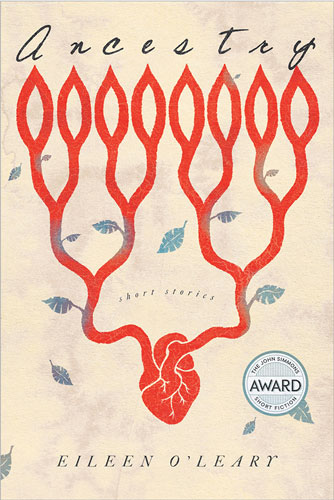
Ancestry: Where We’re From and Where We’re Going

Book Review by Katy Haas

Readers can look forward to Eileen O’Leary’s Ancestry, winner of the John Simmons Short Fiction Award, forthcoming this fall. The characters in this collection’s short stories look back at where and who they’ve come from as they try to discover who they can possibly become.

In “Adam,” the titular character reconnects with his father whom he has never met and finds that the man in front of him is not quite how he imagined. Living together in a dilapidated building, he’s suddenly faced with a change in expectations. Cecile from “Michigan Would Get Beautiful,” is finally getting what she wants as an interior designer, just as the lives of her first clients implode, leaving her to look at where she is and where she’ll end up. In “The Flying Boat,” Vera leaves her family behind to start a new life overseas. On the cusp of war, she returns to her family to find that everything has unexpectedly changed in her absence.

Family ties and inner tensions propel these stories, the characters grappling with the changes happening within them and around them. Even in the small space of short stories, we’re able to see the characters grow and adapt as they learn more about themselves and the people in their lives. A quick read, each story grabs the reader’s attention and holds on tightly until the end.


Ancestry by Eileen O’Leary. University of Iowa Press, October 2020.

Buy this book from our affiliate Bookshop.org.

Scared in the Air

Guest Post by Chang Shih Yen

Flight or Fright is an anthology with one theme: scary things that can happen while flying. This anthology is edited by the king of horror writing, Stephen King. This seemed like a good book to read in lockdown when international air travel is almost impossible.

There are 16 short stories and one poem in this anthology. There are old stories by Ambrose Bierce (1842-1914) and Arthur Conan Doyle (1859-1930) written before air travel even became a thing. There are two new stories written specifically for this anthology. One by Stephen King is a story about air turbulence. The second new story is by Joe Hill (son of Stephen King) whose story is about passengers in a plane while a nuclear war starts on earth mid-flight. There are also classic short stories by the likes of Ray Bradbury and Roald Dahl. Dahl draws on his own experience as a fighter pilot in World War II. Some stories tell the reader its content in the title, like “Zombies on a Plane” by Bev Vincent and “Murder in the air” by Peter Tremayne. There are all sorts of terrifying tales in this collection, with topics ranging from monsters, time travel, war, and murder, to falling out of the sky.

This was a satisfying read if you’re looking for something scary. There are stories like “The Fifth Category” by Tom Bissell, which haunts you and gets in your head and stays with you long after the last page is turned.


Flight or Fright: 17 Turbulent Tales edited by Stephen King and Bev Vincent. Cemetery Dance Publications, September 2018.

Reviewer bio: Chang Shih Yen is a writer from Malaysia, seeing through the pandemic in New Zealand. She writes a blog at https://shihyenshoes.wordpress.com/

Buy this book from our affiliate Bookshop.org.

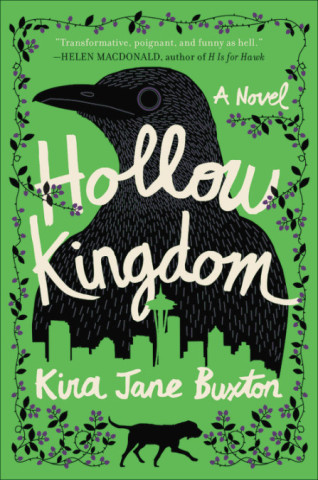
Hope-Giving Horror

Guest Post by Lauren Mead

ST is concerned about his owner Big Jim when his eyeball falls out and lands in the grass. He should be, considering that Big Jim has just turned into a zombie thanks to a mysterious virus that travels through screens. When it becomes clear that cheering Big Jim up with his favourite beer and a bag of Cheetos isn’t going to help, ST (a domesticated crow) and Dennis (a dog) set out across the wilds of post-apocalyptic Seattle to find a cure.

On his journey, ST encounters hordes of vicious humans who are suffering from the same malady as Big Jim. He braves a deadly market (for doughnuts), the aquarium (for answers) and follows cryptic rumours of the one remaining human who can save them all. ST must set aside his fears to find a way forward in this new, and often frightening world.

I read Hollow Kingdom before COVID-19 was a phrase in my everyday life. I can remember thinking that I was glad there wasn’t some deadly virus on the loose, because gosh, wouldn’t that be awful? At the time, it kind of felt like it would be the end of the world. I’m a germaphobe, so I don’t handle sickness very well on a good day. Throw in a worldwide pandemic and you’ve got a recipe for this girl to never leave her house again. I didn’t, for awhile.

But if ST can face his fears in a zombie-infested world, I can sure as heck set foot outside. It’s funny how horror stories can have the opposite effect of real fear. Instead of making us want to hide, it makes us bolder to know that even if the worst, most terrifying thing were to happen, there would be a way forward. Horror gives us hope.


Hollow Kingdom by Kira Jane Buxton. Grand Central Publishing, August 2019.

Reviewer bio: Lauren Mead has been published in The Danforth Review, The MacGuffin, Soliloquies and Forest for the Trees. She also writes for her blog, www.novelshrink.com.

Buy this book at our affiliate Bookshop.org.

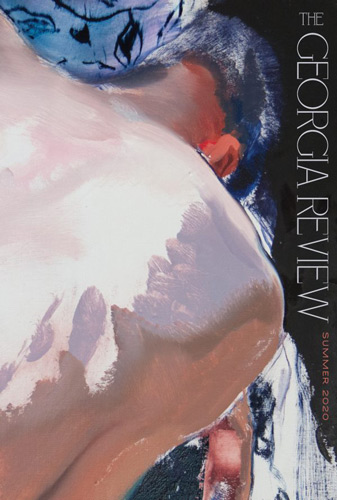
The Georgia Review – Summer 2020

The Georgia Review‘s latest issue features new writing from Garrett Hongo, Aimee Nezhukumatathil, Laura van den Berg, A. E. Stallings, and many other exciting voices! Original translations of poetic works by Hisham Bustani and Shuzo Takiguchi. Illustrated features on the theme “Shelter in Place,” by Lindsey Bailey, Kaytea Petro, and Bishakh Som. Cover art and portfolio by Doron Langberg. This issue is not to be missed—read selected online features today!

Dip Your Fingers in a Faraway World

Guest Post by Karabi Mitra

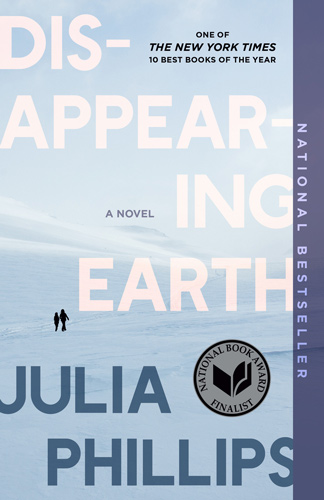
Julia Phillips’s Disappearing Earth opens on the shores of a sea lapping at the edges of the Siberian Peninsula. Two young sisters are playing on the beach. It’s a simple enough setting. The older one is trying to get the younger one to come home. You don’t yet know why, but you’re starting to feel unsettled and you can almost feel the oncoming danger. By the end of the chapter, the girls have disappeared.

The chapters that follow are not an investigation into the disappearance. Instead they are stories of various inhabitants located in and around the Kamchatka Peninsula. The disappearance of the girls hangs over each of them, but the stories are about their own lives. A new mother struggling to come to terms with staying at home and giving up her career. A mother whose child similarly disappeared three years ago. And that’s when the patterns start emerging. The complexity of relationships, the underlying beliefs and mistrust towards certain groups of people. Natives are treated in a slightly different way. There is a distrust towards the so-called new people who have migrated to the region. There are superstitions and practices. And you realize that ultimately people are the same, no matter where they are. We’re all dealing with the same issues.

The setting of Disappearing Earth makes you feel as though you’ve dipped your fingers into a faraway world. The descriptions of the volcanoes and open tundras and thermal springs and open fields add an allure to the overall story. You sometimes feel as though you really are at the end of the world. The ending is stunning, and Julia Phillips ties up at the loose ends in a way that makes you close the book with a satisfied hush.


Disappearing Earth by Julia Phillips. Penguin Random House, April 2020.

Reviewer bio: Karabi Mitra is an avid reader, based in Toronto. She also enjoys writing and has been published in various literary magazines such as Litro Magazine and Volney Road Review.

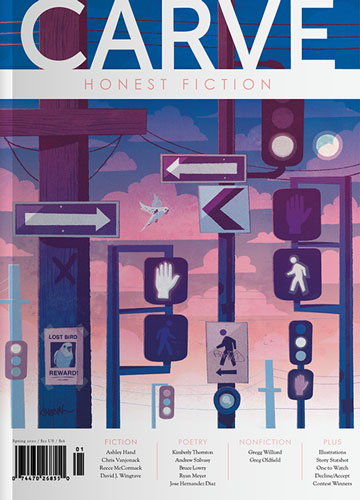
2019 Carve Prose & Poetry Contest Winners

Carve annually hosts the Prose & Poetry Contest for submissions in fiction, nonfiction, and poetry. There is one winner in each genre category, each awarded a $1000 prize.

Readers can find the winners of the 2019 contest in the Spring 2020 issue.

Fiction
“A Simple Case” by Nancy Lundmerer

Nonfiction
“From the Book on Pit Firing Pottery” by Sarah Sousa

Poetry
“Cleft” by Jason M. Glover

The judges for this past year’s contest were Lydia Kiesling in fiction, Analicia Sotelo in nonfiction, and Benjamin Busch in poetry. Submissions for this year’s contest will reopen at the beginning of October.

2019 Able Muse Write Prize Winners

Able Muse‘s annual Write Prize awards $500 for the best submitted poem, $500 for the best submitted flash fiction, and publication in the print journal. The Winter 2019 issue of Able Muse features the winners of the 2019 contest.

Poetry Winner
“Waiting for the Angel” by David MacRae Landon

Poetry Finalists
“Dear Sonnet” by Amy Bagan
“Paradox” by Beth Paulson
“Postcard, Vermont” by Miriam O’Neal

Fiction Winner
“To the Bottleneck Fiction” by Erin Russell

Stay tuned for the winners of the 2020 contest, which closed this past March.

Natasha Reads ‘The Jane Austen Society’ by Natalie Jenner

Guest Post by Natasha Djordjevic

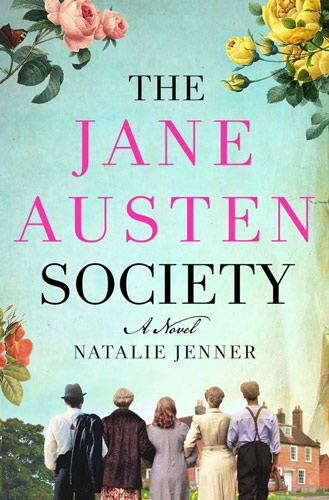
Natalie Jenner’s debut novel, The Jane Austen Society, is a delightful, insightful tribute to the author who brought us so many memorable characters. The story is set at the end of WWII in Chawton, where Jane Austen spent the last part of her life and where she wrote her final three novels. A group of unlikely people become friends and form a society that has a mutual love for Jane Austen. They want to use their love to save her home and make it a museum with items of the era she resided in.

We’re introduced to Adam Berwick, a farmer who is the character we meet first, upon meeting with a stranger looking for Austen, develops an affection of Austen’s works; Dr. Gray, who is grieving over the loss of his wife; Mimi Harrison a Hollywood actress with a soft spot for Austen; Frances Knight, a descendant of Jane Austen’s brother; Evie Snow a housemaid working at the estate and who secretly catalogs the library; Adeline Lewis, an English teacher who has experienced a series of losses; Andrew Forrester, a lawyer handling the estate’s affairs; and Yardley Sinclair, an estate sales expert of Sotheby’s in London.

With an easy pace, a well-executed plot, and its ability to explore themes of grief, loss, identity, love, this is a novel that is sure to delight both Austen fans and newcomers to the author.


The Jane Austen Society by Natalie Jenner. St. Martin’s Press, May 2020.

Reviewer bio: My name is Natasha Djordjevic. My favorite genre to read is Historical Fiction, especially books set in the Tudor times. You can find my blog at poetryofreading.blogspot.com.

Buy this book from our affiliate Bookshop.org.

The Briar Cliff Review – 2020

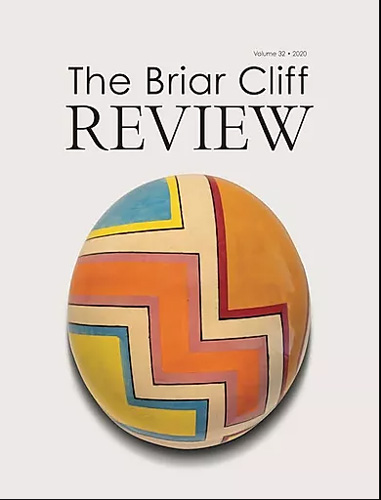
The 2020 issue of The Briar Cliff Review explores themes of violence, disconnectedness, and the legacy of slavery. Find poetry by Jed Myers, Claude Wilkinson, AE Hines, Lindy Obach, Doug Rampseck, Laura Stott, Melanie Krieps Mergen, Mary Fitzpatrick, Dar Hurni, and more; fiction by Deac Etherington, Carrie Callaghan, and others; and nonfiction by Karen Holmberg, Ryan McCarl, and more. Plus, two book reviews and pages of art.
Jessica Hertz Examines Five Fictional Women

Magazine Review by Katy Haas

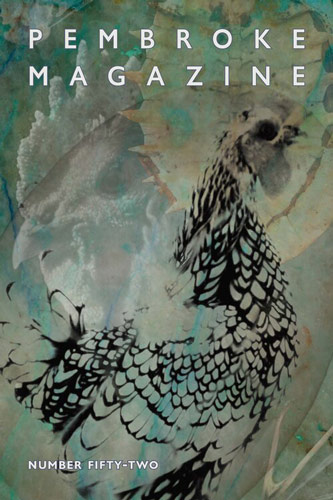
In the latest issue of Pembroke Magazine, Jessica Hertz writes of the “Fictional Women I Have Known.” This five-part piece focuses on Alice from Alice in Wonderland, the mermaid from Hans Christian Andersen’s or Disney’s The Little Mermaid, Persephone, the sister from “The Six Swans” fairy tale, and Eve.
Each section explores the complexities of their feelings, their desires, and their realities. They’re not flat women on a page but are thought-out and developed even in the small space provided. I enjoyed Hertz’s take on each of them, and my favorites were the mermaid and Eve. The mermaid is faced with having to choose between a voice or the ability to dance, a choice she wishes she did not have to make. Eve is faced with a choice—eat the offered fruit or don’t—and Hertz asserts she knew exactly what she was doing when she accepted, a take I appreciated.
Peer into the inner thoughts and feelings of these five fictional women with Hertz as your guide.

A Time of Hope: Hatchet

Guest Post by Zizheng William Liu

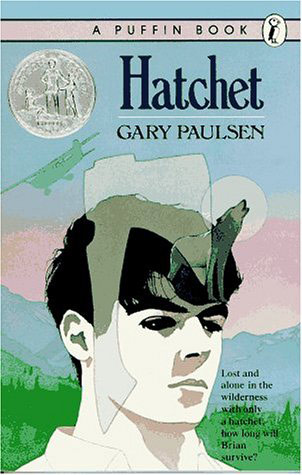
Hatchet is the depiction of a world gone wrong. The book details the life of Brian Robeson, the son of divorced parents, and victim of a horrific plane crash. Left alone in the midst of the Canadian wilderness with nothing but a windbreaker and hatchet, Brian must tame himself to survive.

The story begins in the city, where 13-year-old Brian boards a bush plane to see his father for the summer. Miles up into the air, the plane pilot suffer from a heart attack, rendering the plane flying aimlessly above the Canadian landscape. But Brian had always been under tough situations. Ever since he had witnessed the dreaded secret that led to his parent’s divorce, Brian’s life had spiraled out of control. No, literally. The Cessna 406 bush plane that Brian was riding to see his father crashes, and Brian is forced to live his life in the wild. All the luxuries from the city are gone. Food needs to be hunted, shelter needs to be built, and the pesky mosquitoes need to be repelled. Over a month passes since the initial plane crash, and Brian finally finds a solution. He scavenges a transmitter from the plane ruins and that ultimately leads to his rescue. A fur buyer had been alerted to Brian, but the 54 days that Brian spent in the wilderness had still taken its toll.

A thrilling and powerful piece, Hatchet shows that any problem can be solved, even when life is on the line. In a time when the Covid-19 pandemic has swept through our nation, this book is an insight into the true potential that we all have. When utilized, no problem is too big to be solved.


Hatchet by Gary Paulsen. Scholastic Press, 1986.

Reviewer bio: Zizheng William Liu is an avid writer. His works have been published in multiple literary journals and he is an editor for Polyphony Lit Magazines.

A Thought-Changing Read

Guest Post by Mia Willardson 

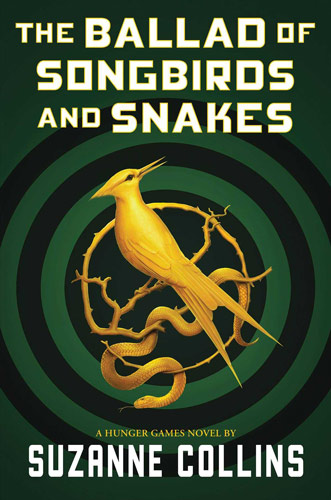
On May 19th, 2020, Hunger Games author Suzanne Collins released the novel The Ballad of Songbirds and Snakes. This dystopian piece is a prequel to Collins’s bestselling series. The Ballad Of Songbirds and Snakes takes place during the tenth annual Hunger Games and centers around young Coriolanus Snow. Snow is chosen to mentor in the Hunger Games and feels mortified when he is assigned the tribute from district twelve, Lucy Gray Baird. In the capital, district citizens were inferiors—less than people. Coriolanus felt disgraced to be assigned a girl from district twelve. However, Snow begins to learn that Lucy Gray isn’t just a girl from district twelve. She’s a very smart young woman who likes to wear rainbow dresses, sing, dance, and make a scene. She begins to become a hit in the capitol and Snow begins to see her in a new light. He begins to believe that she has a shot at winning the Hunger Games.

This story helps Hunger Games fans understand how Katniss and Peeta’s world came to be. The reader is taught the history of the dystopian country, and the hardships Snow and his family faced.

The reader learns how certain events and traditions came to place in the Hunger Games universe. Readers will fall in love with the bold characters in the novel, and will definitely find themselves audibly gasping and laughing along with the story. Collins’s use of striking imagery will make the reader feel as though they are apart of the journey. Collins shocks readers with how much the story can compare to our world and our real-world issues. The story revolves around power, control, and how people will react to it on larger scales. You’d be surprised how children fighting for their lives in an arena would compare to what is happening now. The Ballad of Songbirds and Snakes is a must-read and is the thought-changing tale of the year.


The Ballad of Songbirds and Snakes by Suzanne Collins. Scholastic Press, May 2020.

Reviewer bio: Mia is a fifteen-year-old upcoming high school sophomore who adores creative writing and dystopian literary pieces.

Buy this book from our affiliate Bookshop.org.

A Meditation on Friendship

Guest Post by Leah Browning

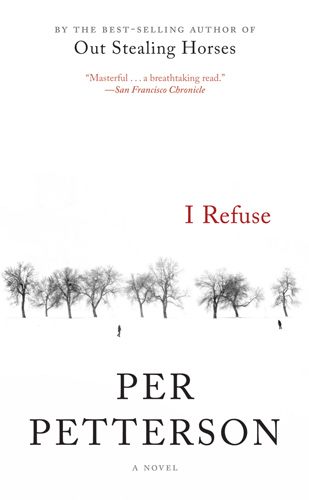
I Refuse is a novel by Per Petterson about two childhood friends. Tommy and Jim are now adults and have been estranged for many years when they unexpectedly cross paths on a bridge outside Oslo.

Per Petterson, who also grew up in Norway, is a thoughtful and moving writer. Overall, I see this book is a meditation on friendship, not only between the two main characters, but between others as well. There are several instances where a spontaneous act of kindness reverberates through another person’s day or even, in at least one case, an entire lifetime.

The book also focuses on something slipperier: the role of persistence or determination in a person’s life. One of the boys has a harsh, even brutal home life; the other has, in many ways, been luckier. Either could be destroyed by his circumstances.

At the beginning of the book, one of the men has been fishing, but it could have been either one: “As a rule I drove home before the first cars came down the hill towards the bridge, but today I had frittered my time away. I hadn’t even started to pack my bag, and the cars that were coming were classy cars, expensive cars. I turned my back to the road, my frayed navy blue reefer jacket wrapped tightly round me. I’d had that jacket ever since I was a boy in Mørk, and only one of the old brass buttons was still intact, and I had a woollen cap on as blue as the jacket, pulled down over my ears, so from behind I could have been anyone.”

Ambition has pushed one of the men in a strange, sometimes cruel direction. In this time of social distancing, reading about the powerful impact of friends and family members feels especially relevant.


I Refuse by Per Petterson (translated from the Norwegian by Don Bartlett). Graywolf Press, 2015.

Reviewer bio: Leah Browning edits the Apple Valley Review, which publishes short fiction, personal essays, and poetry in spring and fall issues. She occasionally blogs at https://leahbrowning.blogspot.com/.

Buy this book through our affiliate Bookshop.org.

Event :: Storyville Writing Workshop Offers Online Workshops

Storyville Writing Workshops logoOngoing Enrollment; Location: Online
Storyville Writing Workshop offers virtual writing workshops online for a wide variety of skill levels. Workshops provide personalized critiques, ongoing email access to the instructor, writing resources, personal virtual meetings via Google Meet, as well as access to writing forums. storyvilleworkshop.com/online-workshops/

The Main Street Rag – Spring 2020

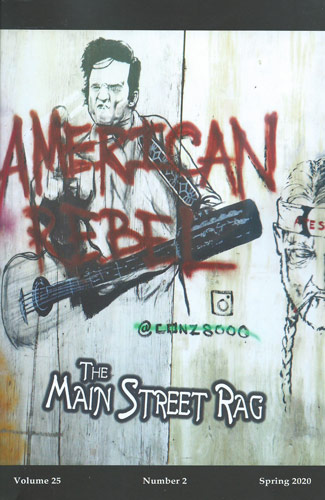
In the Spring 2020 issue: fiction by Jarrett Kaufman, Emily Alice Katz, J.T. Ledbetter, John Mancini, David Pratt, and Timothy Reilly; poetry by Jeffrey Alfier, Tobi Alfier, John Azrak, Tara Ballard, Chris Bullard, Dorritt Carroll, Ricks Carson, George Bishop, Sudasi J. Clement, Joan Colby, and more; and six book reviews. Be sure to check out our featured interview with Tim Bascom by Beth Browne.

december – Spring Summer 2020

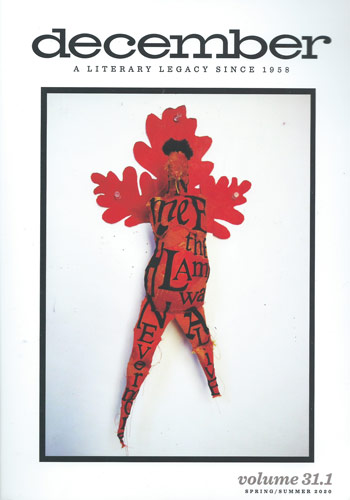
Our latest issue features poetry by Kenda Allen, Jamaica Baldwin, Ronda Pizza Broatch, Satya Dash, Gibson Fay-LeBlanc, Rebecca Foust, Valentina Gnup, Tate Lewis, Abby E. Murray, Phong Nguyen, Eric Pankey, Kimani Rose, Joel Showalter, Ellora Sutton, Raisa Tolchinsky, and more; and fiction by Stacy Austin Egan, Lucy Ferriss, Tyler McAndrew, Casey McConahay, Susan Mersereau, and Griffin Victoria Reed. Read more info at the december website.

Event :: The Center for Creative Writing Offers Online Courses & Community

Deadline: Year-round
The Center for Creative Writing has been guiding aspiring writers toward a regular writing practice for more than 30 years. Our passionate, published teachers offer inspiring online writing courses in affordable six-week sessions, as well as one-on-one services (guidance, editing) and writing retreats (virtual for 2020). Whatever your background or experience, we can help you become a better writer and put you in touch with the part of you that must write, so that you will keep writing. Join our inclusive, supportive community built on reverence for creativity and self-expression, and find your way with words. Creativewritingcenter.com.

Call :: The Daphne Review Seeks Mentors & Student Writers

The Daphne Review 2020 Summer Mentorship bannerDeadline: July 31, 2020
The Daphne Review is hosting an online mentorship program for talented high school student writers and established writers/teachers acting as their mentors. We’re currently taking applications for both types (students and qualified mentors) until July 31st! To apply, submit a resume and brief cover letter to [email protected]. Start Date: August 3-28. Format: online. Classes: flash fiction, poetry. Pay for mentors: $50 per hour for skype or $200; $25 per hour for email or $100; total: $300 via paypal. www.thedaphnereview.org

2020 Lamar York Prize Winners

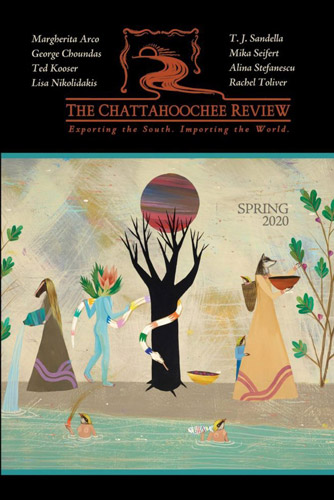
Pick up the Spring 2020 issue of The Chattahoochee Review for the winners of the Lamar York Prizes.

Fiction
“With Mercy to the Stars” by Lisa Nikolidakis

Nonfiction
“Catharsis, Diagnosis” by Rachel Toliver

The nonfiction winner was selected by judge Alice Bolin, who says the essay, “begins as straightforward memoir and blooms into something stranger and more wonderful: a treatise on the obsessive-compulsive act of storytelling, analysis of classic graphic novel, a meditation on how comics tell stories, and on how our lives, with their nonsensical, sometimes brutal vignettes resemble comics.”

Fiction judge Anthony Varallo writes that he was “drawn in from the first page, happy to be in the company of a young narrator who is just starting to glimpse the limitations of the adulthood that awaits her, as confining as the cage that houses her father’s prized bear.”

Be sure to check out these pieces for yourself in The Chattahoochee Review.