
Afterlife of Discarded Objects is “a digital non-fiction storytelling project that explores the stories that discarded objects can tell about our history. The project will examine how people’s memories of their childhood games with discarded material objects inform the way they imagine the cultural landscape of their childhood.”
Curated by Natalia Andrievskikh, Fulbright alumna and a doctoral candidate in the Department of Comparative Literature at Binghamton University, plans are to transfer stories “onto an interactive map where users will be able to click on marked locations and read stories from that location.” Andrievskikh will also reflect on the shared stories in the book that she is am currently working on, titled “Afterlife of Discarded Objects.”
 Open Minds Quarterly is a publication whose content continually and consistently packs some of the hardest-hitting writing I’ve ever read, with its unabashed focus on the poetry and literature of mental health recovery. The Summer 2014 issue is no exception, with one feature in particular that might well strike a deep chord with many of our readers: “An Open Letter to the MFA” by Hannah Baggott. Written in the epistolary style, Baggott addresses the stresses and pressures MFA students face in their programs. While often told to “take care of yourself first,” Baggott confronts the contradictory nature the expectations of such programs foster. “Our workshop leader last term said you have to be sad to write well. This is the fallacy that you keep perpetuating.” Baggot is “happy” in her program and “would not choose a different path,” but she does offer some advice that if the MFA programs themselves won’t follow, then the individuals in them should seriously consider how to better “take care.”
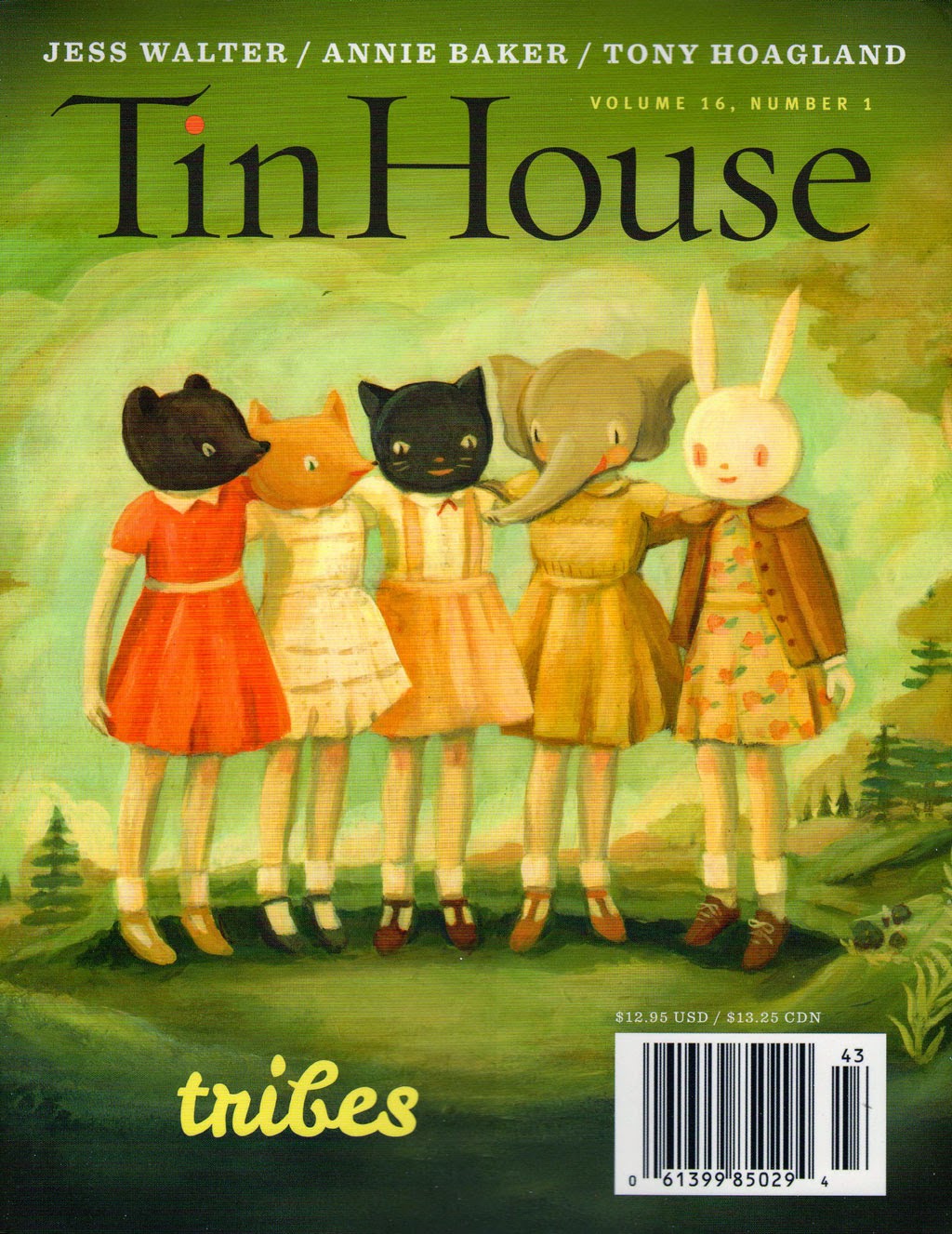 The most recent issue of Tin House (v16 n1), themed “Tribes,” features an essay in the Readable Feast section by Roxane Gay, “The Island We Are: At Home with Food.” The quote line the magazine chose was “When you are overweight in a Haitian family, your body is a family concern.” That caught my interest (well, and of course, it’s Roxane Gay for cripes sake), but what stuck with me throughout her piece was the repetition of ‘loving, and loving hard’:
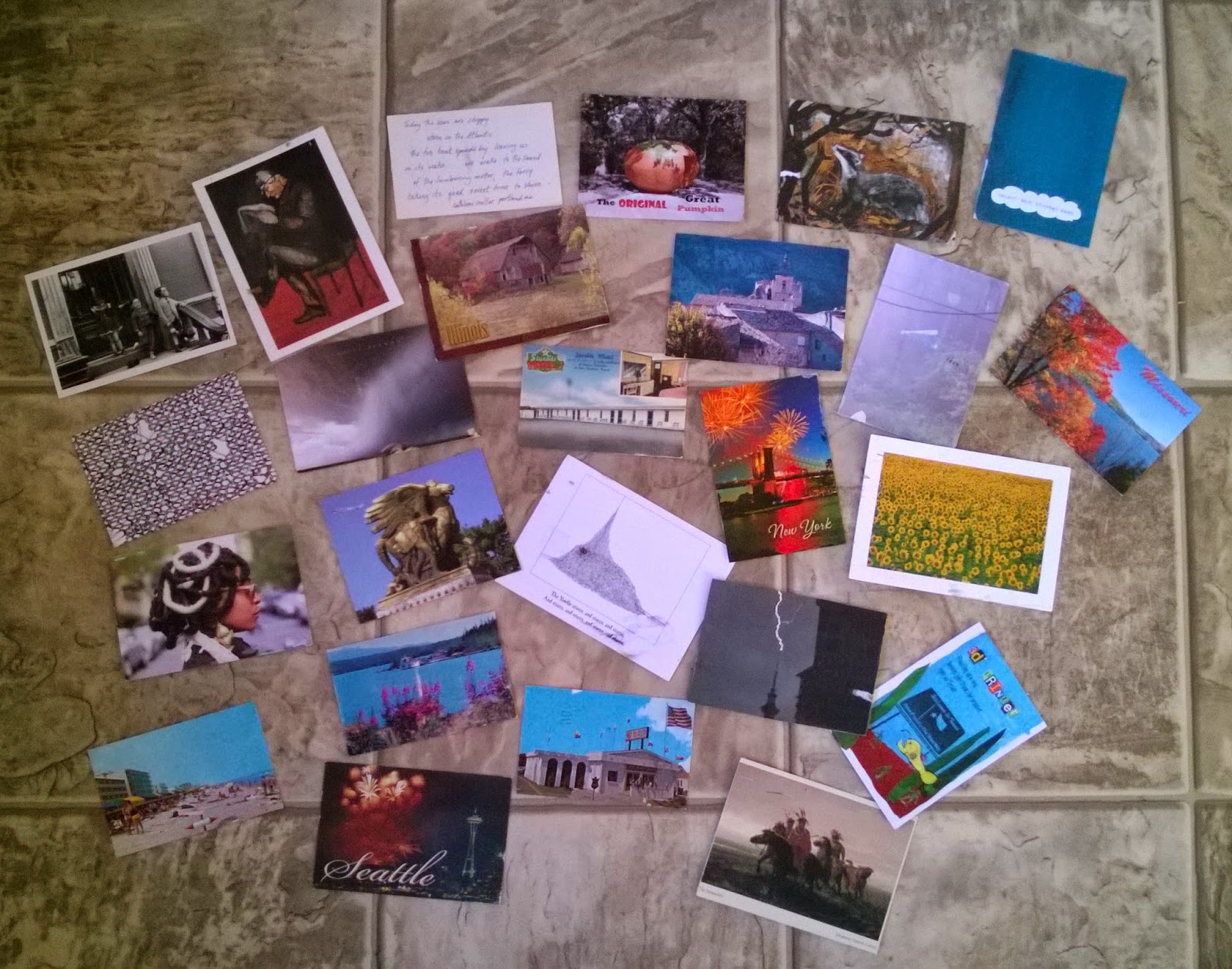 It was another great year for the August Poetry Postcard Festival! Organized by west coast poet and teacher Paul E. Nelson, over 300 people from a dozen countries signed up to write a postcard a day and send it to someone in the month of August.
 Now in its third volume, The Masters Review is a collection of ten stories from students in graduate-level creative writing programs across the country (MFA, MA, PhD). Selected by such well-known authors as Lauren Groff (Volume I), AM Homes (Volume II), previously featured authors have gone on to publish novels, short story collections, and win awards, including a Nelson Algren Award finalist, an Academy of American Poets Prize winner, and a Fulbright Fellow. Many have gone on to continue their publishing in literary journals nation wide.
 Since 1999,
  FIRST PRIZE (shared)
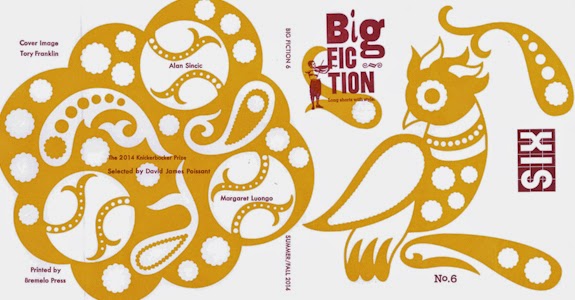
 The most recent issue of Big Fiction (No. 6) features the winners of the 2014 Knickerbocker Prize, selected by David James Poissant. Poissnat provides an introduction to the winners: Alan Sincic, first place for his novella “The Babe” and Margaret Luongo, second place for her novella “Three Portraits of Elaine Shapiro.”
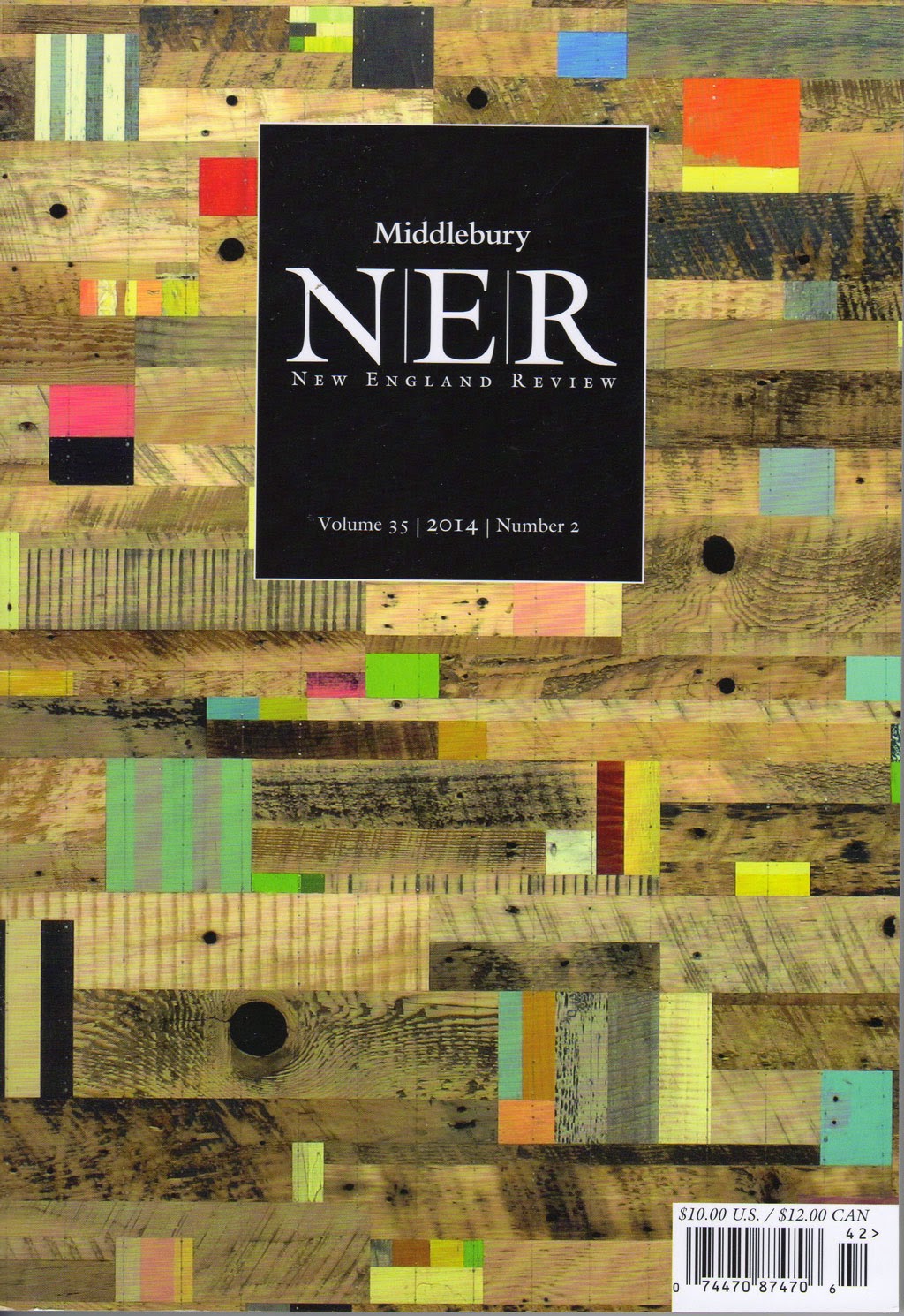 New England Review poetry editor C. Dale Young will be leaving the publication’s masthead after the next issue (35.3), closing out nineteen years with NER. That issue, the editors promise, will be a memorable one in honor of Young’s legacy.
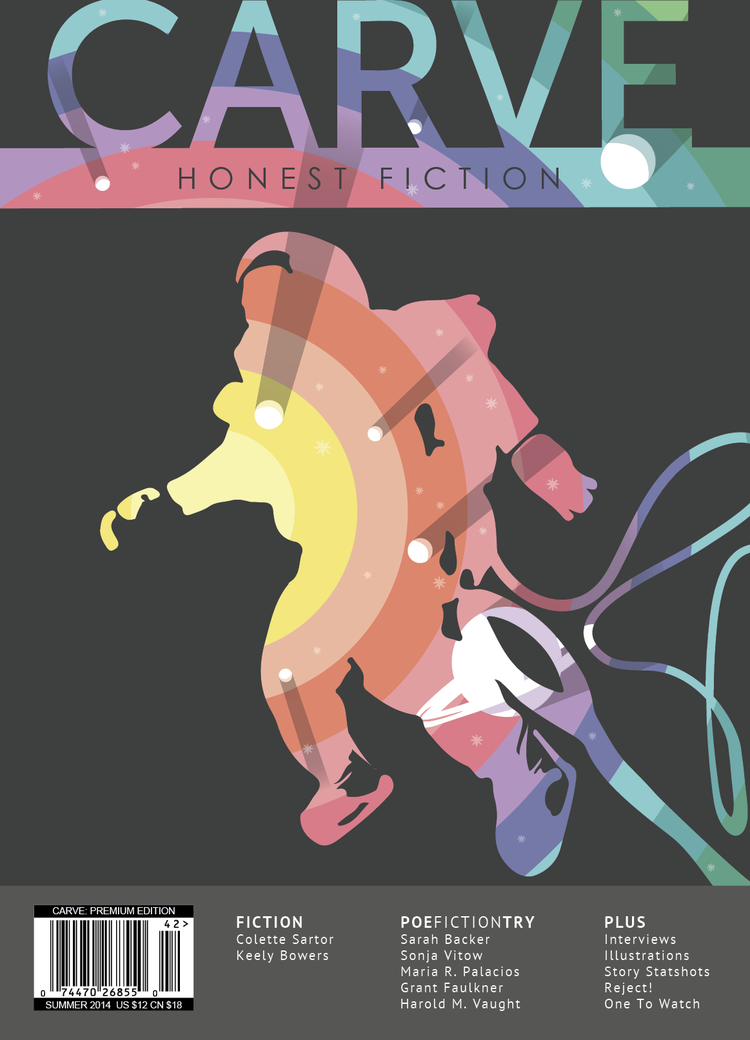 Carve Magazine takes the “Classy” award for their treatment of works their own editors have rejected. REJECT! is a regular feature in the Carve Premium Edition (lots of free content online, but some is only in the paid-for premium edition – a move that seems quite fair, actually, so don’t kvetch). In it, the publication features an author whose work Carve readers had previously rejected but was selected for publication elsewhere.
 Revision is the kick in the pants that propels the writer out of complacence, jars him from the euphoria that tends to come when he thinks he’s completed something. Revision is the inevitable and necessary faceoff between one’s lazy writer self who defends the good enough draft, “This sentence / passage / description / scene / character is fine the way it is” and one’s higher writing self who argues, “Yes, it’s good enough and it says what I want, but does it say it in the right way? Does it say it in the best way”
 The most recent issue of The Hudson Review (Summer 2014) features three stories by Alexander Pushkin from a new translation by Richard Pevear and Larissa Volokhonsky. The stories, “The Blizzard,” “The Staionmaster,” and “The Young Lady Peasant,” are three of the five Tales of the Late Ivan Petrovich Belkin (1830), Pushkin’s first finished prose works. Pevear notes these stories were written in “an extraordinarily productive period for Pushkin, when a quarantine confined him for two months to his estate in Boldino. He ascribed the authorship to a rather simple country gentleman, Ivan Petrovich Belkin, who, in a brief introduction, is said to have written them down from the account of local inhabitants.” The works were first “considered mere anecdotes,” but have since been recognized as “unsurpassed” narrative constructions “in the whole range of Russian literature,” according to D.S. Mirsky, Pushkin biographer.
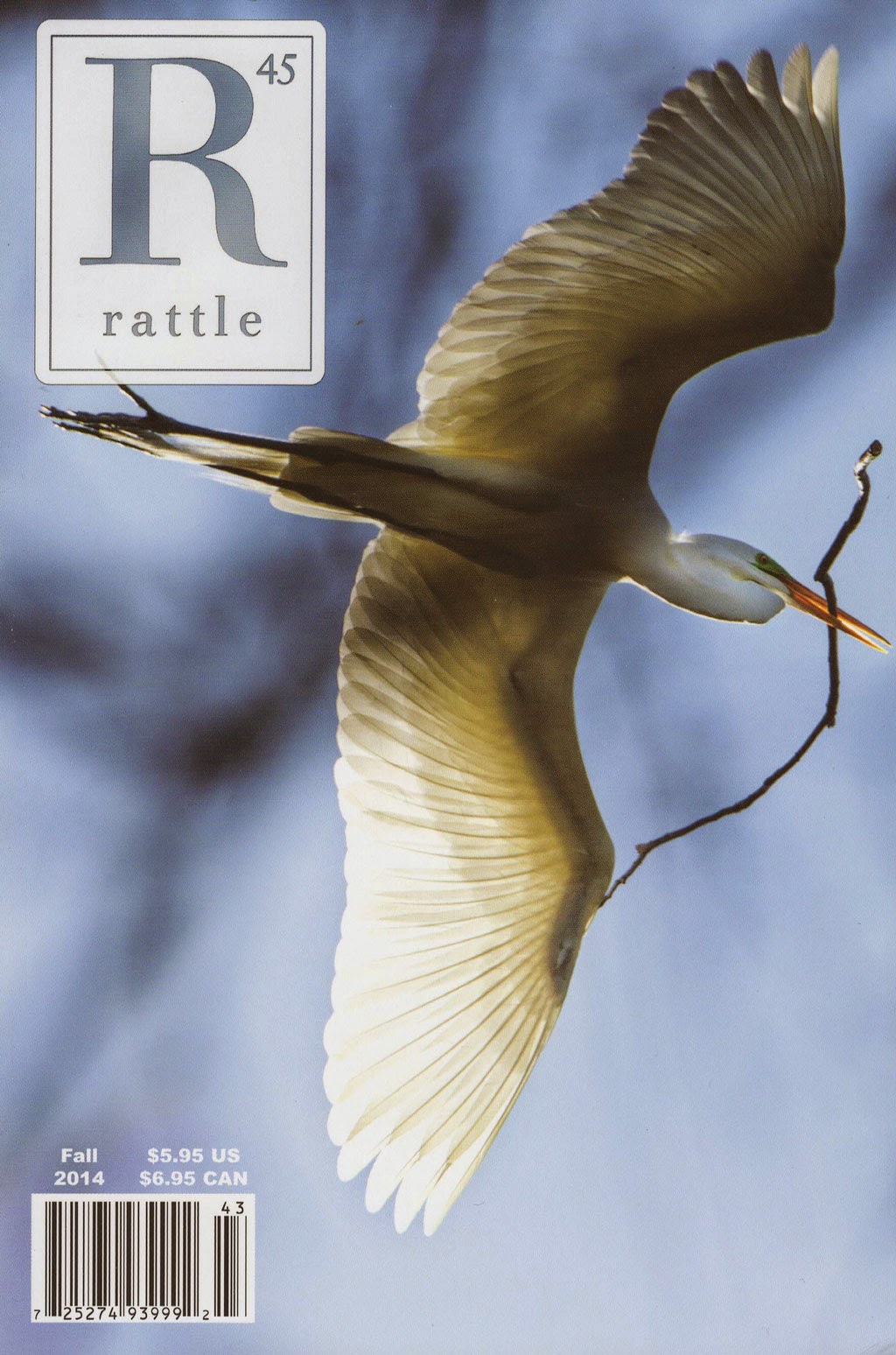 Thanks to Rattle, “poetry is back in the news” with their online feature Poets Respond. While the editors of Rattle believe that “real poetry is timeless,” there is great opportunity to respond and participate in the conversation of current events that does need to be given a more immediate space. To resolve this, Rattle now publishes poetic responses every Sunday to a public event that has occurred with the last week.
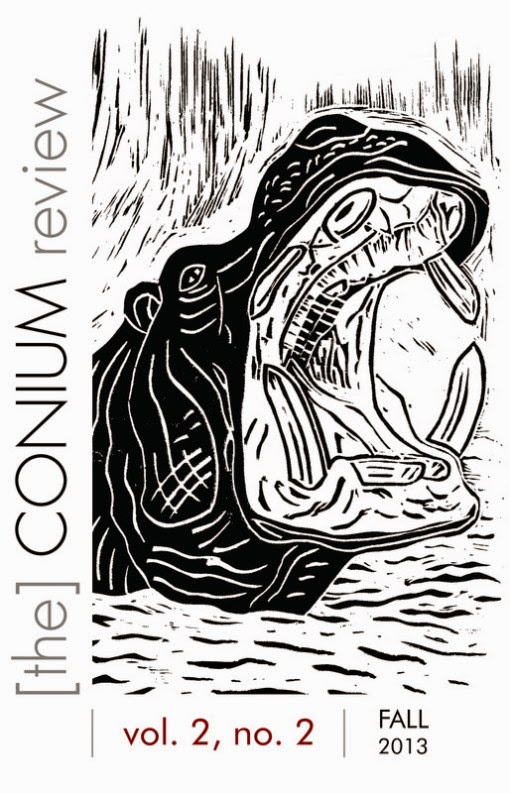 The Conium Review has recently undergone some major changes – not only skin deep, but beneath the surface as well. In addition to their new website (some bugs still being worked out), the publication will now publish fiction only and will begin featuring flash fiction online. Conium will still publish in print, moving from biannaul to annual, but with the unique twist that they will publish two editions of their annual: a standard edition and a collector’s edition, which they claim will be “the coolest book you own.”
 First place: Michael Varga [pictured, of Norcross, GA, wins $2500 for “Chad Erupts in Strife.” His story will be published in Issue 95 of Glimmer Train Stories. This will be his first off-campus fiction in print.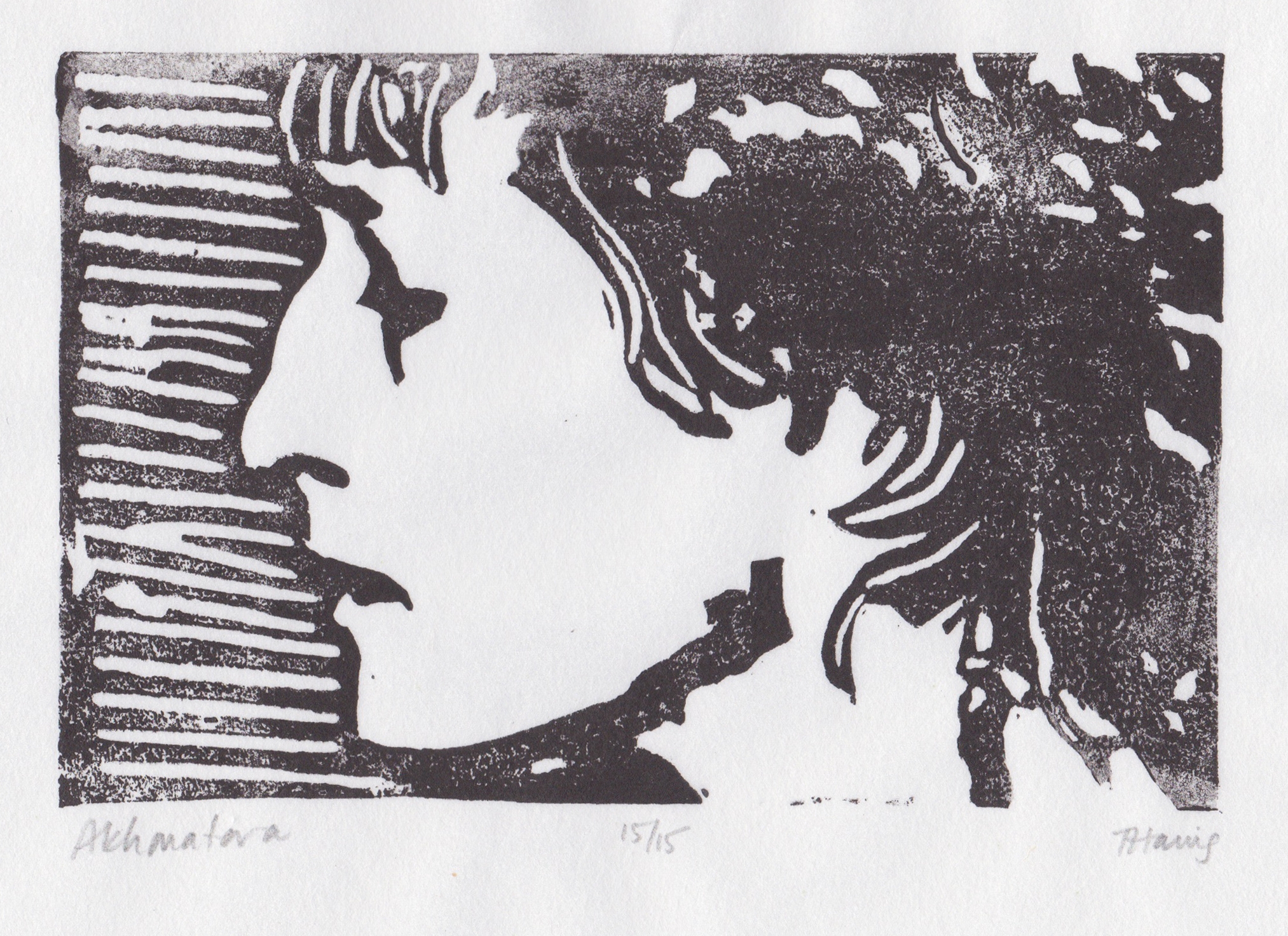
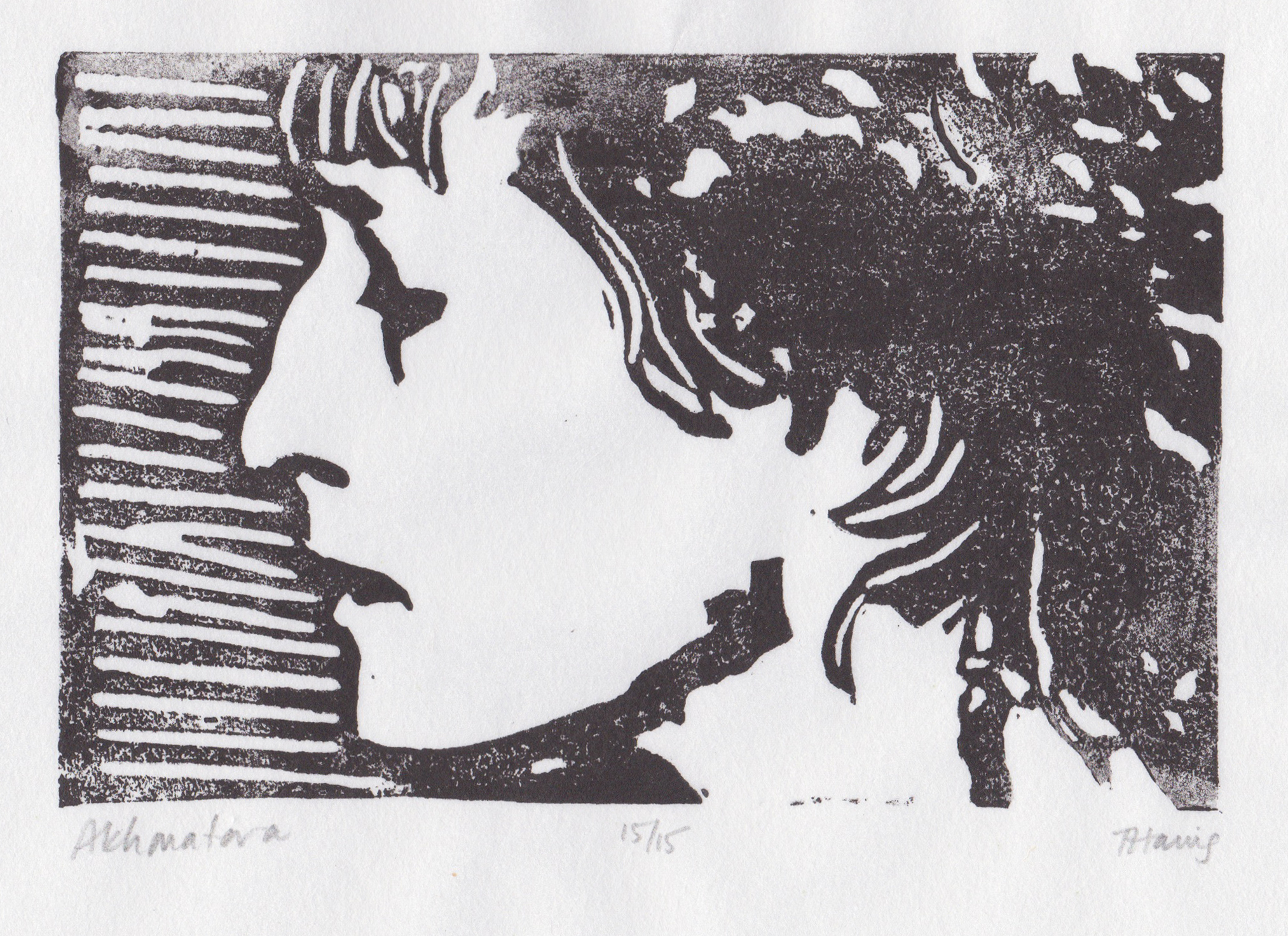 What happens when you send artwork to a writer and ask them simply to “respond”? Pea River Journal Editor Trish Harris found out after creating four original linocut and woodblock print portraits of famous authors and sending them to writers with no requirements whatsoever except: respond. So far the series of 12 includes four authors: Ann Akhmatova, Walt Whitman, Ezra Pound, and Emily Dickinson. Ten of each, signed and numbered copies, are sent out “into the world,” with a new release of ten planned every few weeks. As the responses come in, PRJis sharing them for readers here. Respondents thus far include Ab Davis, Laura Esckelson, Anthony Martin, John G. Rodwan, Jr., Edward Hunt, Corey Mesler, Jose Padua, Leslie Anne Mcilroy, Timothy Kenny, and Heather Hallberg Yanda.
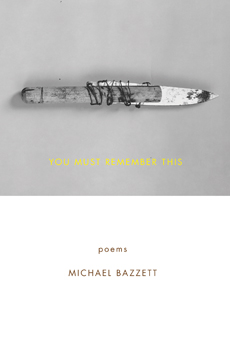 Michael Bazzett, winner of the Milkweed Editions 2014 Lindquist & Vennum Prize for Poetry, will have his collection of poems, You Must Remember This, published in November 2014. Pre-orders at a reduced price are being taken now on the Milkweed website. Bazzett will be reading at the Minneapolis Central Library on November 11 at 7:00 pm.