
Yes, we did it. NewPages bought a Kindle – or Kindle 2, as I am corrected by Kindle snobs. Yeah, “whatever” is what I would have thought, until Kindle 3 was just announced this week. With its nearly $500 price tag, it will certainly make us the Kindle users on the other side of the tracks.
Kindle this, Kindle that. I put off making the purchase of this yet-another-have-to-have piece of technology mainly because of the cost. I think it’s ridiculously overpriced. Holding one in my hands hasn’t changed my mind. It certainly is all it’s hyped up to be when it comes to a couple features. The first I noticed is ease on the eyes for reading. After several days of Kindle reading, I went back to a book (the word sounds so antiquated now…), and I could immediately feel a slight eye strain. Okay, so Kindle is good for aging/old people like me. And the other cool feature that holds true is being able to read the Kindle in bright sunlight. I hate to say it, but even better than a book in that I didn’t get the page glare.
Other than these two features, niceties include being able to get the New York Times (as we have always lived in a non-delivery area), Slate, and other mags delivered and portable for ease of reading access. I also appreciate being able to purchase a book and download it in seconds – literally. Again, living in an area with limited access to book sources (libraries and bookstores), when each time I go to the bookstore, I’m sure to hear, “We can order it for you,” it’s dandy to be able to find the book and begin reading it immediately. I also like being able to read a sample of the book before ordering it. A true “bookstore” style feature.
The documents download is also a great feature. I can send documents in myself, Amazon will convert them, then I can load them into the Kindle, all for free. I can also send documents and Amazon will convert them and wirelessly load them, but for that there is a fee, and a growing one. Still, worth it in a pinch. I’ve sent a couple PDFs through, and the formatting does come back a bit screwy, but it’s not terrible. Pictures are what mess it up, not so much just plain text.
My biggest Kindle mistake? Downloading a cookbook. Had it not been free through Amazon, I wouldn’t have loaded it, but for free, what the heck. The mistake? I’m not setting my Kindle on the cupboard next to a pan popping hot oil, not to mention the other open ingredients: flour, tomato sauce, wine (that’s for the cook, not the recipe). One look at my cookbooks will tell you favorite recipes by the spills and spatters on the pages. Adds character to the book. Would kill the Kindle. That said, reading in the bathtub is also out of the question.
Other irritations include thumb strain. No kidding. The ultraslim design is nice, but I find myself having to pinch it more closely than I would a book, so my thumbs hurt after reading on it for extended periods of time. It’s also odd in that I think I have pretty large hands, but the Kindle feels just a bit too wide for me to hold comfortably. So, I’m thinking it’s better designed for even larger “guy” hands. But, the keyboard is definitely more easily accessed by smaller thumbs. So, if we evolve to this technology, we’ll have larger hands and thinner thumbs. Kindle 3, however, with its newspaper reading screen – well, its beyond me how that could be comfortable.
Overall, the Kindle is cute but not a necessity. I can see how schools would be interested in using them for textbook delivery, though there need to be some modifications made in saving and organizing clippings/notes to make student use more effective. And, ultimately, I come back to the price. In keeping with the Matthew principle: those who already have will be able to afford it and continue to benefit. The have-nots will continue to be left in the dust. Not only at the cost of the device, but imagine no more cheaper, used textbooks. A level price field on books – which should all be cheaper with no paper, right? Certainly, no more borrowing textbooks from a roommate (since you can’t share Kindle files – and it’s unlikely roomies will loan you their $300+ reader with all their other books and notes on it).
A fun tech tool, but not worth the cover price. Had I not been able to consider it a tax write-off, I wouldn’t have considered it at all.
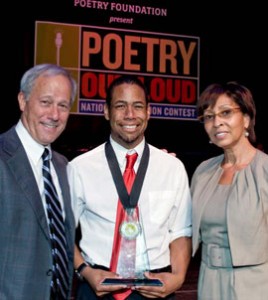 “Backed by a cheering section of his family and friends, 18-year-old William Farley of Arlington, Virginia captivated both judges and audience with his poetry recitations to gain the title of 2009 Poetry Out Loud National Champion. Farley was among 12 finalists and 53 state champions from around the country who participated in the fourth national poetry recitation contest, sponsored by the National Arts Endowment and the Poetry Foundation.”
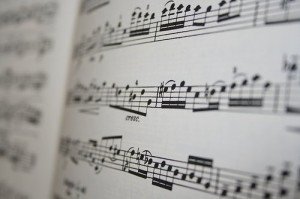 Many readers may have been aware of the thousands of free e-books available on Project Gutenberg, but did you know they also have music? The Gutenberg Sheet Music Project, thanks to the work of many volunteer hours, has digitized public domain sheet music, using a variety of techniques (MIDI, PDF, MOBI, plain text, etc.), to enable study and performance. For the most part, the musical pieces created have been chamber music, with composers such as Brahms and Beethoven. A great incentive to getting together your own community music group!
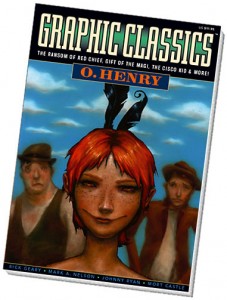 “Graphic Classics is a series of books presenting great fiction in comics and illustration for contemporary readers ages 12 to adult. Each volume features the works of the world’s greatest authors, illustrated by some of the best artists working today in the fields of comics, illustration and fine arts.”
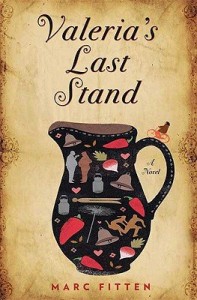 Here’s the problem when you have a friend who writes a book and gives you a copy, then wants to know what you think about it. What if you think it’s absolute crap? Well, long-time friend of NewPages, Marc Fitten, would know that if I thought it was crap, I would tell him so, with lots of facial gestures and dramatic delivery of, “Oh my god, this is the worst thing I’ve ever read.” And that would only be the beginning.
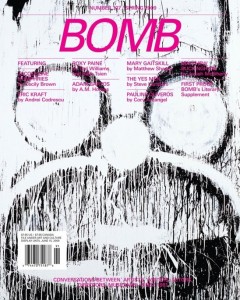 Started in 1981 in downtown New York, BOMB has continued through the years to provide a forum for conversations between artists, writers, directors, actors, and musicians. This spring, BOMB gets a bit of a makeover with new layouts, a new logo, and a new, even larger trim size. Still the same is the great content BOMB has long established, including its literary supplement insert, including works by Ana Menedez, Rusty Morrison, Sally Anne Clegg, J.R. Thelin, Charles Mary Kubricht, Ben Ehrenreich, Laura Mullen, and Michael Martone. And this is just the insert, so you can imagine what the rest of the magazine has to offer! Or, better yet, visith BOMB and find out for sure.
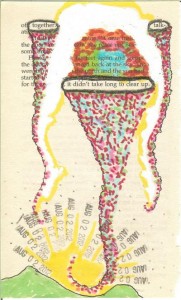 “The Idea: Cut the bindings off of books found at a used book store. Find poems in the pages by the process of obliteration. Put pages in the mail and send them all around the world. Lather, rinse, repeat.”
 Editor Jim Coppoc debuted the new quarterly Second Run at AWP 2009. Second Run was started to address the “problem” of previously published works that have fallen out of public access or were never accessible online. Second Run accepts re-submissions of poems, plays, essays, and short stories along with a one-paragraph provenance to let readers know where the piece came from, where you were in life when you wrote it, where it was first published, etc. Authors retain all rights except the non-exclusive right for Second Run to publish submitted work in perpetuity.
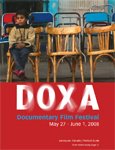
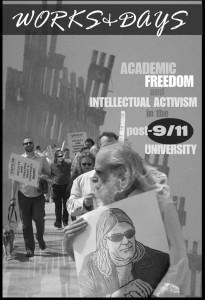 Published by the English Department at the Indiana University of Pennsylvania, Works and Days provides a scholarly forum for the exploration of problems in cultural studies, pedagogy, and institutional critique, especially as they are impacted by the transition from print to electronic environments. Each issue of the journal is organized around specific inquiries conducted as shared disciplinary or postdisciplinary research projects. Works and Days aims to serve not only as a forum for collaborative research and teaching, but also as an environment in which mutual inquiries may flourish.