
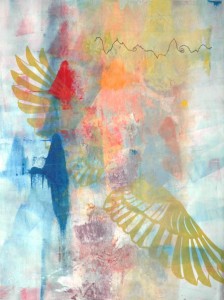
 Issue #4 of the online lit mag Ekleksographia is a special issue: The Emerging Native American Voices, guest Curated by Ann Filemyr and Jamie Figueroa.
In the introduction, Ann Filemyr writes: “Twenty-first century Native American literature is vibrant and evolving. It invites us into the creative lives and ideas of writers whose cultures are demonstrating an incredible capacity for cultural survivance against all odds.”
Art, poetry, and prose contributors include: Ungelbah Daniel-Davila, Anna Nelson, Ruben Santos, Paige Buffington, Nathan Romero, Vernon Begay, Sara Marie Ortiz, Alice M. Azure, Ann Filemyr, Jamie Figueroa, Celeste Adame, Autumn Gomez, Evelina Zuni Lucero, and Marcia Smith.
Cover Image: “Timeless” by Marcia Smith
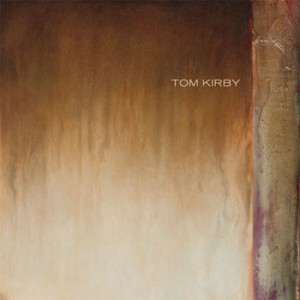 Tom Kirby Light Passage, with inspiration for his work drawn from extensive travels throughout Europe, Southeast Asia, Japan and North Africa. “Tom’s work is distinctly modern yet deeply influenced by past masters, most importantly, Carravagio. His work is a synthesis of expressionistic and minimalist influences.”
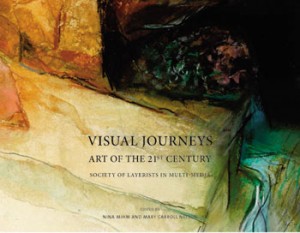 With work by almost 100 artists, Visual Journeys: Art of the 21st Century edited by Nina Mihm and Mary Carroll Nelson is a publication of The Society of Layerists in Multi-Media, an international group of artists sharing a holistic world view. The thought that unites the society is, “We are all connected. There exists a oneness and unity to everything, everyone, and the whole.” This philosophical premise distinguishes it from other art societies that are based on a single medium.
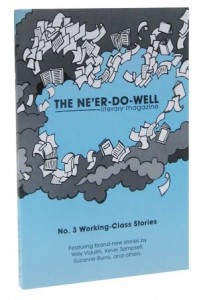 Issue Number 3 of The Ne’er-Do-Well Literary Magazine focuses on Working-Class Stories, with new stories, essays, and comics from Willy Vlautin, Kevin Sampsell, Suzanne Burns, Gigi Little, Chris A. Bolton, Sheila Ashdown, Megan Zabel, Daniel Hall, Christina Mackin, Jill Holtz, and John Gifford.

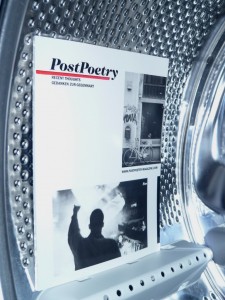 Edited by Sarah Katharina Kay
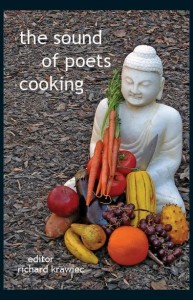 The Sound of Poets Cooking edited by Richard Krawiec is a collection of poetry, poetry-recipes, recipe-poems, and just outright recipes. Five dozen poets are featured in the anthology, and the recipes range from spicy hard-boiled eggs to balsamic mangoes to Malaika’s crockpot Irish stew to Aunt Wilma’s coconut cake – 54 recipes in all. The impetus for the book – to feed readers as well as writers while doing a good turn for the community. Proceeds from the sale of the book will be used to pay writers a stipend to teach poetry workshops to underserved community groups. Included in the book is an application for writers interested in offering workshops – though published by Jacar Press in North Carolina, there’s no specifics on where the workshops will/must take place. For further information and/or to purchase a copy of the book, visit the Jacar Press website.
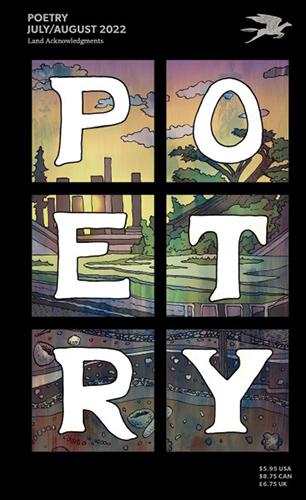
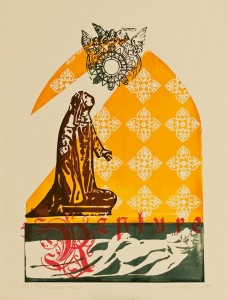 WomenArts Quarterly Journal (WAQ), an initiative of Women in the Arts, “aspires to nurture, provide support, and challenge women of all cultures, ethnicities, backgrounds, and abilities in their role in the arts and seeks to heighten the awareness and understanding of the achievements of women creators, providing audiences with historical and contemporary examples of the work of women writers, composers, and artists.”
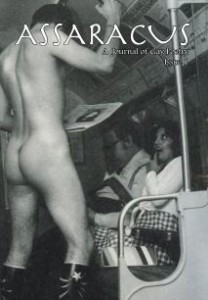 “Assaracus (say it with me: Ass-UH-rack-us),” writes editor Bryan Borland in his inaugural issue introduction, “came about after a drunken m
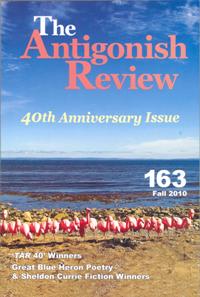
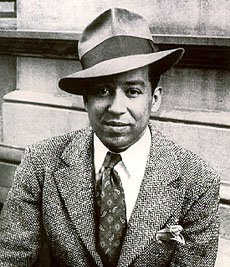
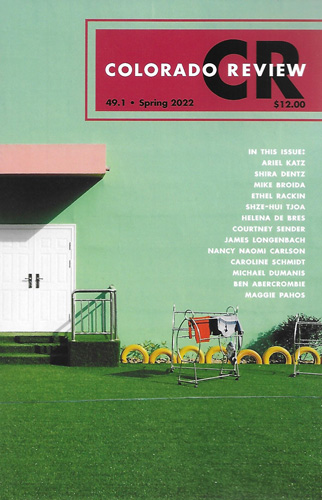
 The Village Pariah, a bi-annual literary journal sponsored by the Mark Twain Boyhood Home & Museum, launched its inaugural issue in Spring/Summer 2010.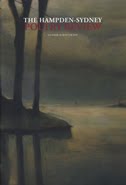
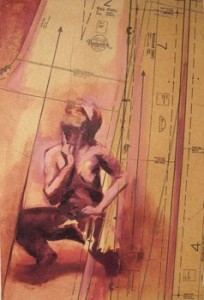 Amanda N. Simons grew up in a small town north of Flint, Michigan and is now an artist and educator in Michigan. I happened to view her art at a poetry reading at Court Street Gallery in Saginaw, and immediately fell in love with her collage style, including the use of sewing patterns in her artwork.
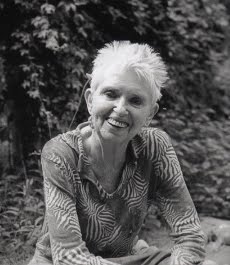
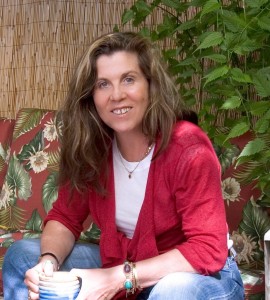 First place: Lee Montgomery [pictured], of Portland, OR, wins $1200 for “Torture Techniques of North Americans.” Her story will be published in the Spring 2012 issue of Glimmer Train Stories.

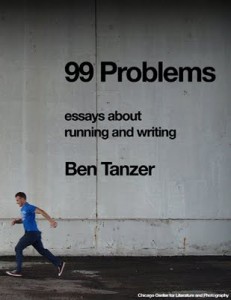 Ben Tanzer’s book 99 Problems: Essays About Running and Writing is available as an e-book, with a twist. On his site, readers who want to download the book have several pay options, or rather amount-to-pay options. “I’d like to pay: $5 – $10 – $20 – a different amount – nothing.” That’s right – “nothing” is an option. Regardless of what amount you pay, or don’t, you’ll get the full-length version of the book. (Kindle users have an Amazon flat rate fee of $5.) The book is also licensed under Creative Commons – a growing culturally conscious way to share works with others. It will be interesting to see how Tanzer’s book does, in terms of readers and payers, and how the new-millennium old question goes, “If you give it to them for free, will they pay for it?” It perhaps even more of interest to writers – even if it’s free, will they read it?